Catamaran Lagoon 62 — your ideal cruise in the Seychelles with Boombastic
We, the Boombastic team, have been organizing fishing expeditions across the Indian Ocean for many years, and over time we've come to understand one key thing: real adventures begin where the usual hotel comfort ends.
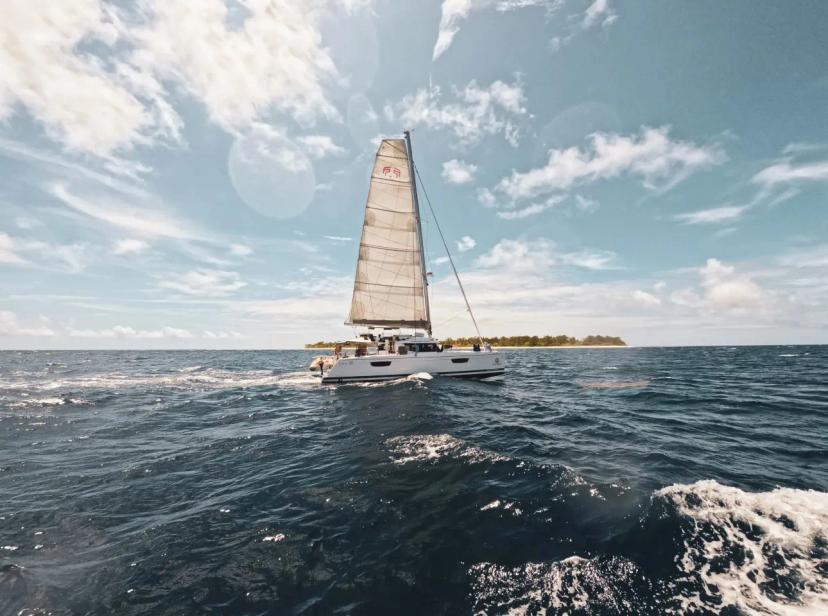
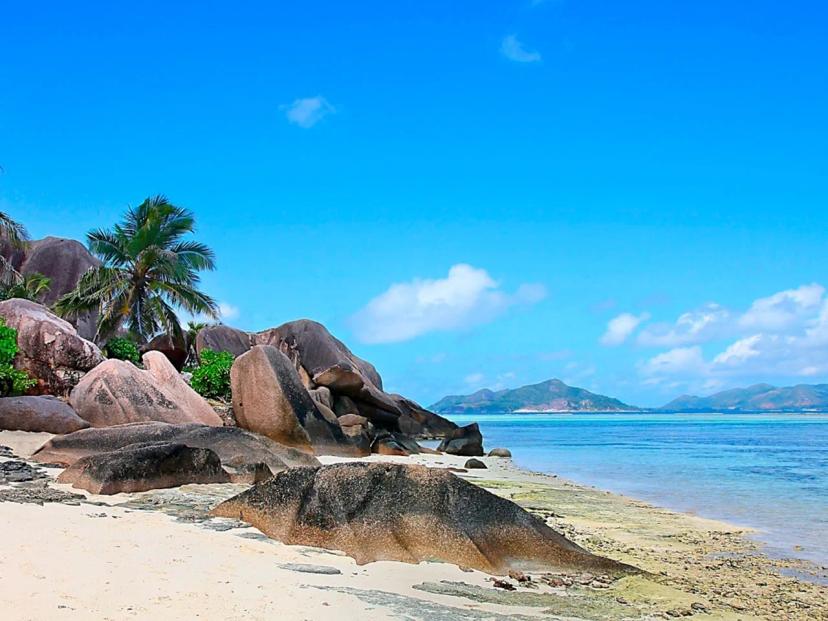
The Seychelles are not just postcard-perfect beaches and spa resorts. They are wild atolls hundreds of miles from civilization, crystal-clear waters above unexplored depths, and fish you won't find in coastal waters. It is for precisely these kinds of journeys that we chose the Lagoon 62 cruising catamaran — and now we'll explain why.
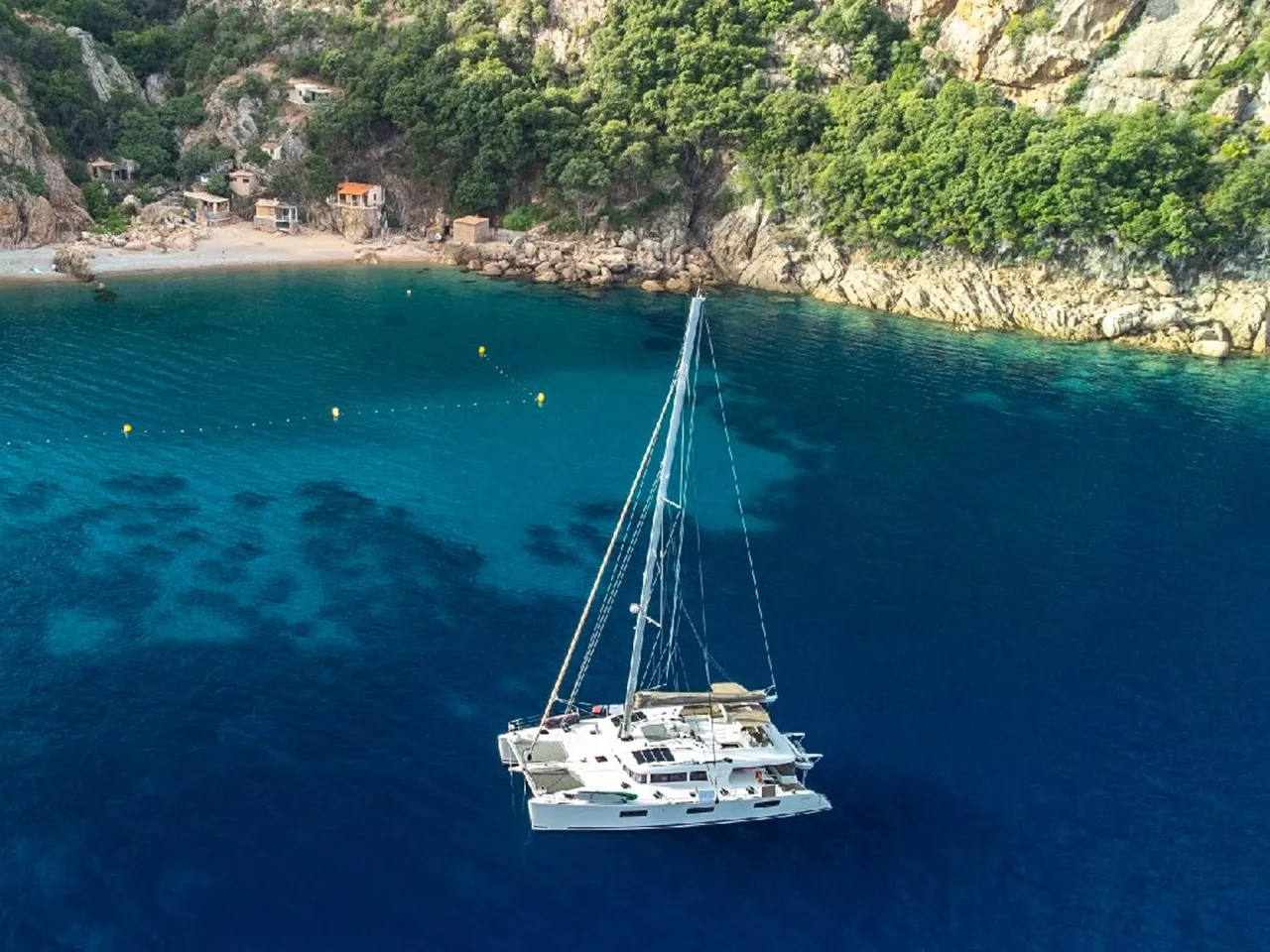
When it comes to cruises in the Seychelles, for us the key factor is choosing the right catamaran. This isn't a "any boat will do" kind of story. In practice, the catamaran determines the entire experience of the journey.
That's why the first thing we focus on is ergonomics. It directly affects the comfort of our guests.
But even the most thoughtful layout means nothing if the essentials don't work — the technical condition. The engine, air conditioning, plumbing, water heating — these systems must operate reliably. It is precisely these systems that create the optimal level of comfort we are obliged to provide for our guests. Add to that sufficient size: both guests and crew must be able to stay on board comfortably.
If you ask how Boombastic's approach differs from classic yacht tours, we would answer something like this:
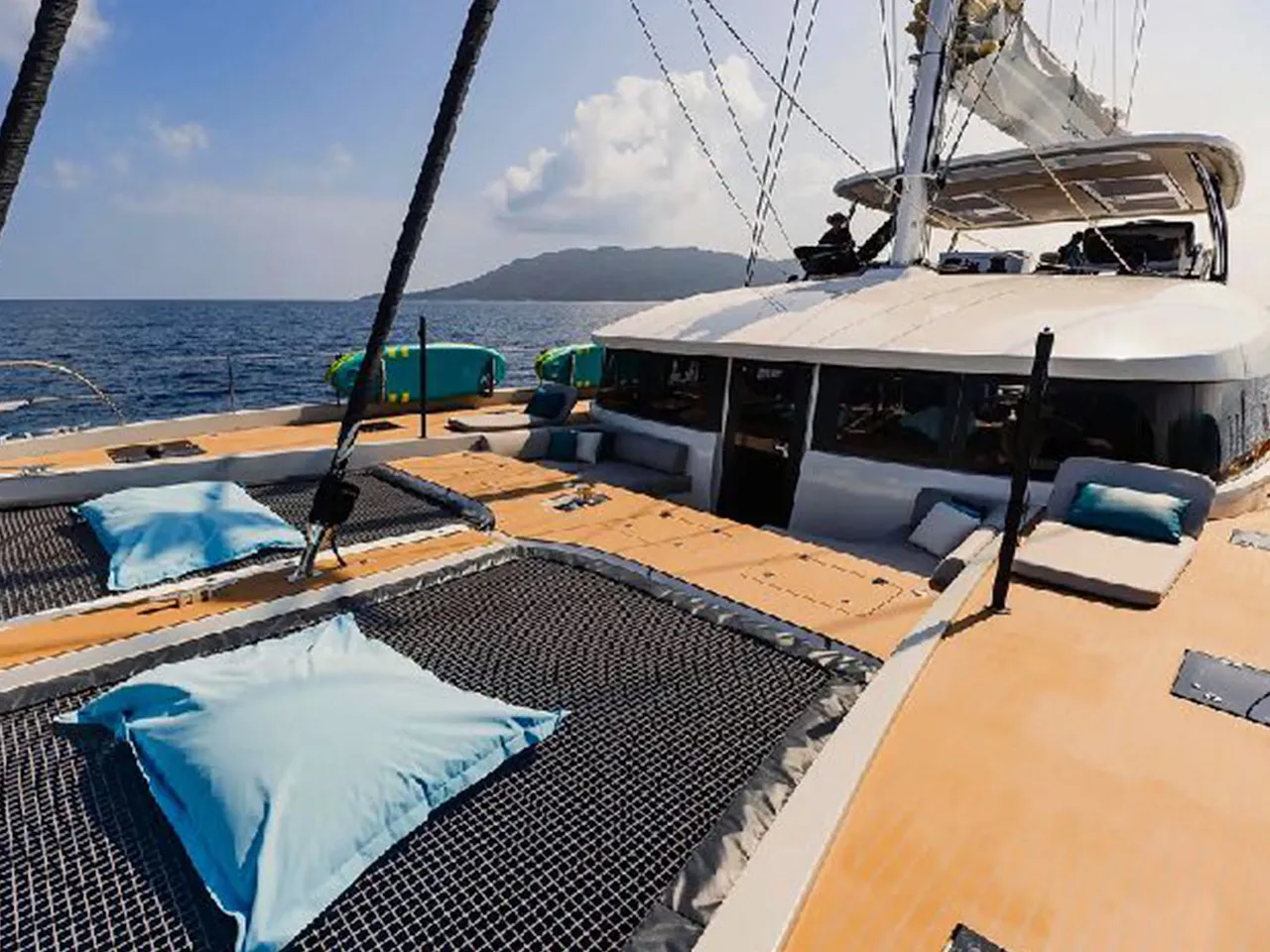
For a long time, a strong trend has existed in the Seychelles: catamaran trips combined with fishing directly from the boat. At first glance, this seems logical, but in practice, a catamaran is not a fishing vessel. It is simply not designed for that.
First of all, it is unsafe. Sea fishing from a catamaran often involves a risk of injury — especially when working with heavy lures. Secondly, a catamaran is slow. It lacks the speed needed to chase fish or move efficiently across the area.
There is another important factor — wear and tear. Gradually, the vessel begins to suffer: scratches and dents appear, the surface gets damaged by tackle, and fish blood and slime accumulate. All of this accelerates wear and deteriorates the catamaran's condition.
That's why our approach at Boombastic is fundamentally different. We use catamarans exclusively as a living platform. They are the comfortable base of the expedition — a place to rest, recover, and move between locations.
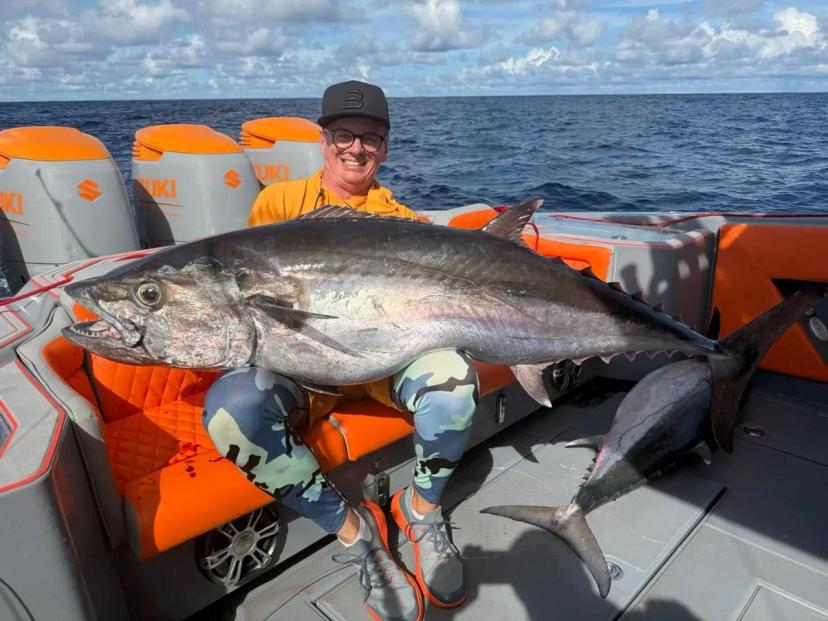
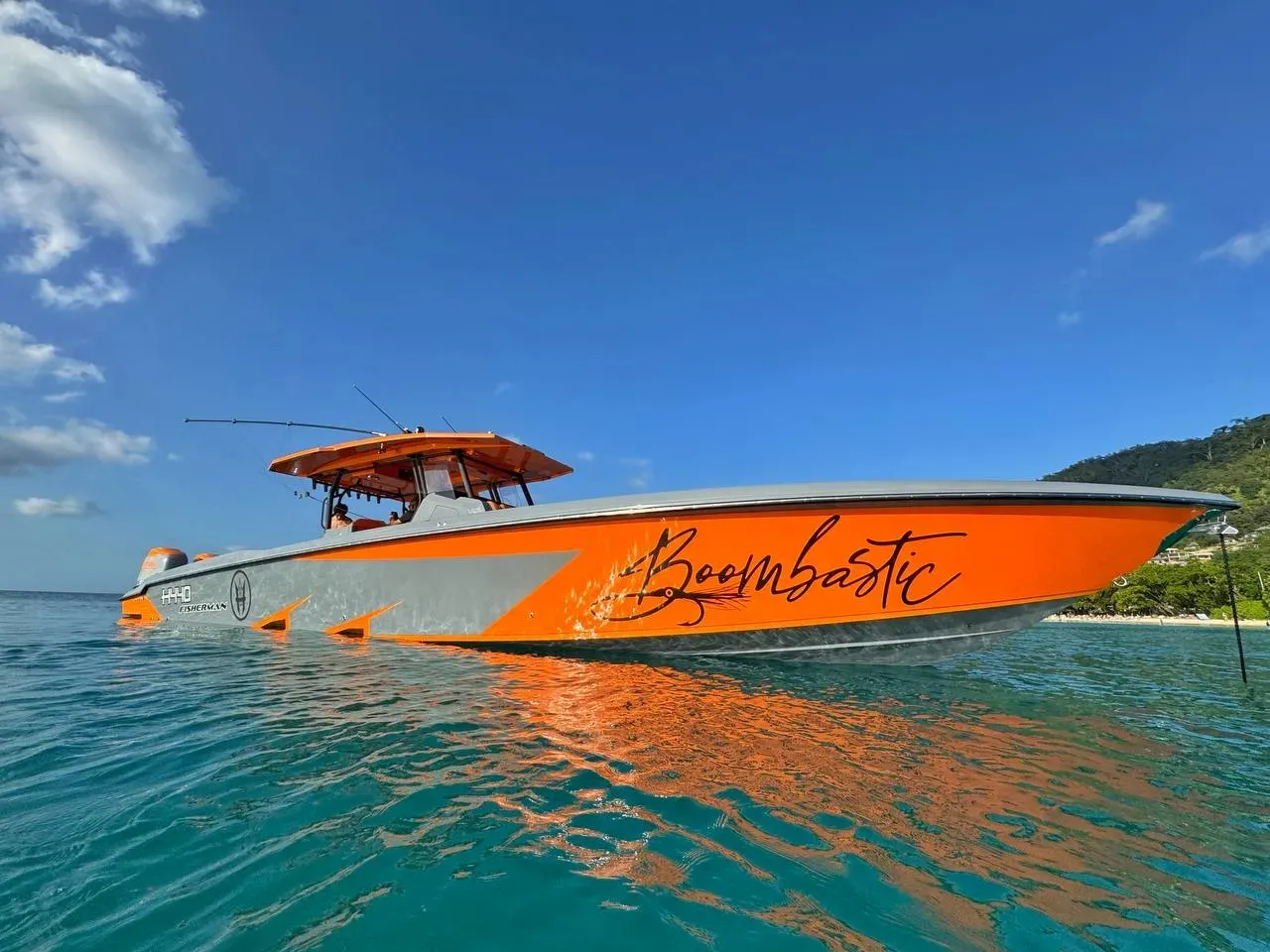
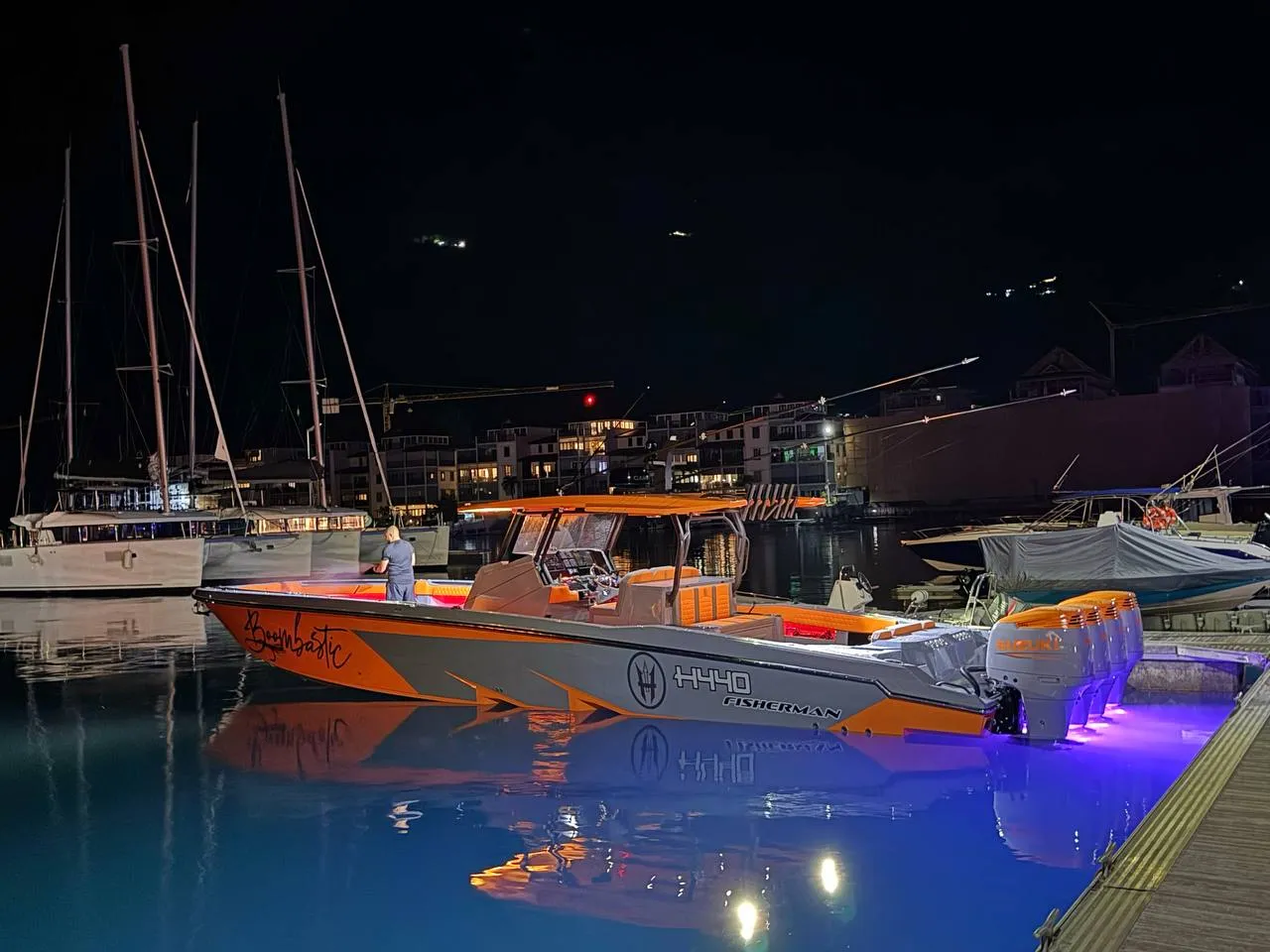
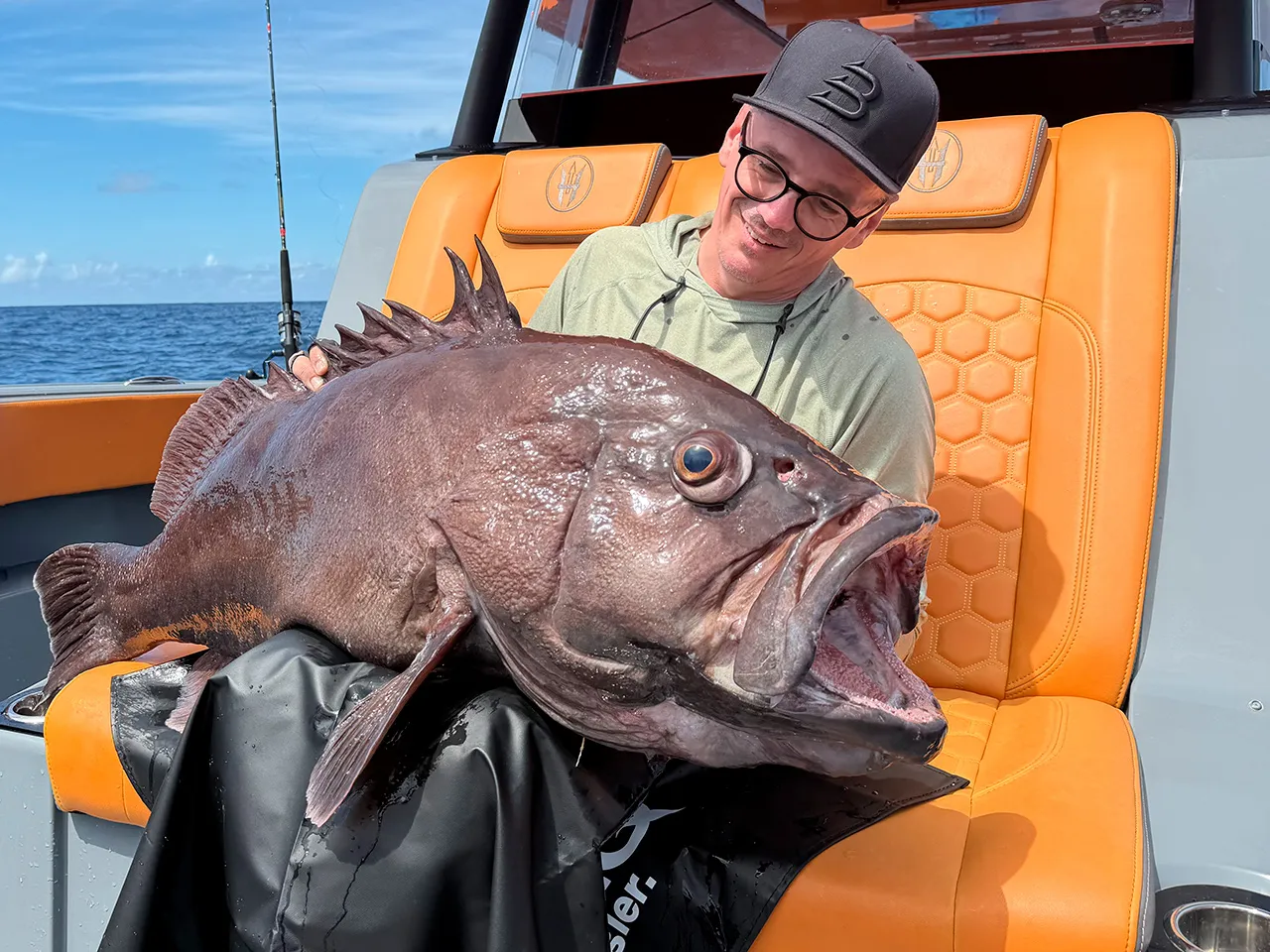
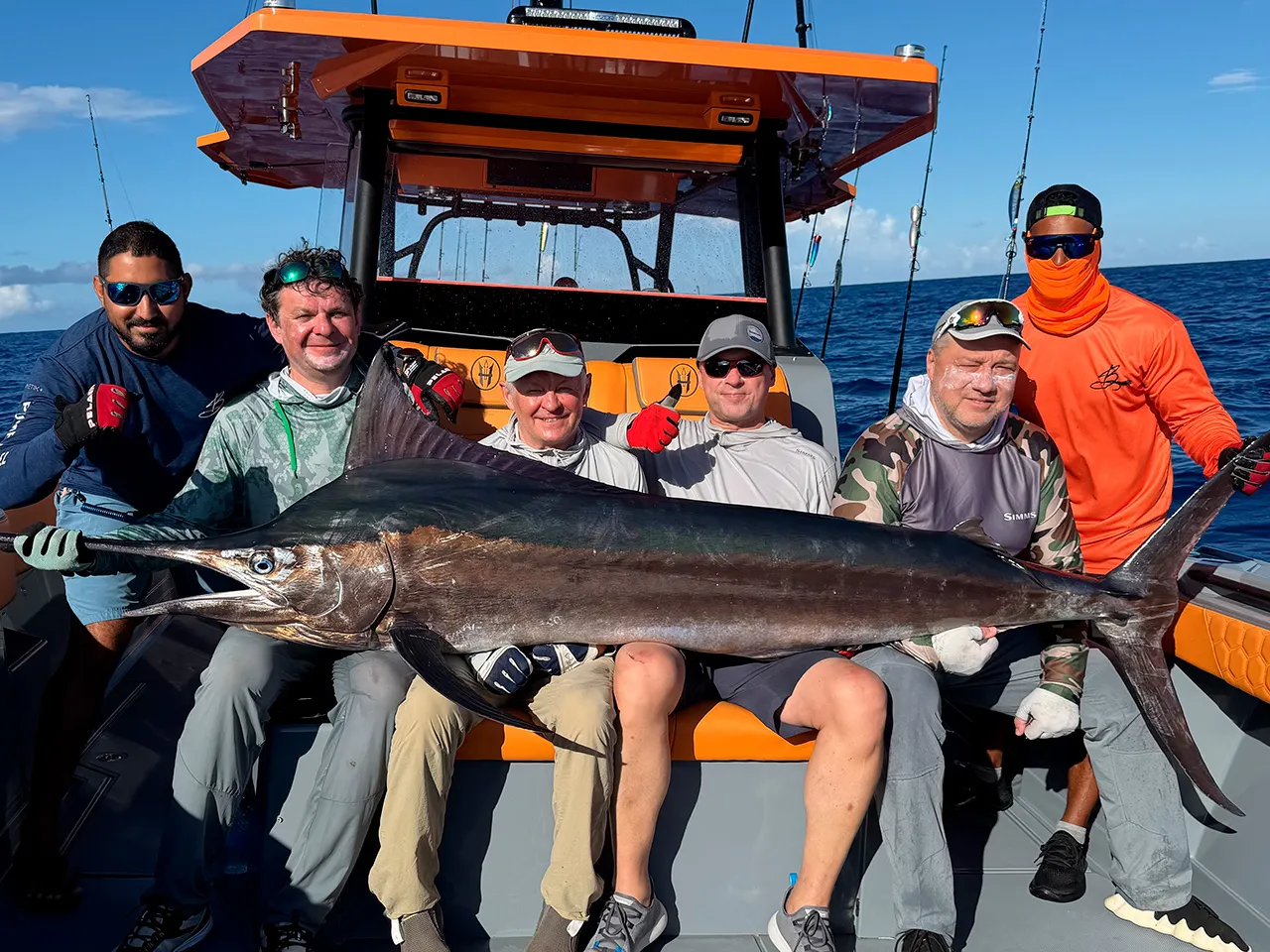
We do not fish from the catamaran. For that purpose, we have two specialized fishing boats — Boombastic 1 and Boombastic 2. They accompany all our fishing cruises.
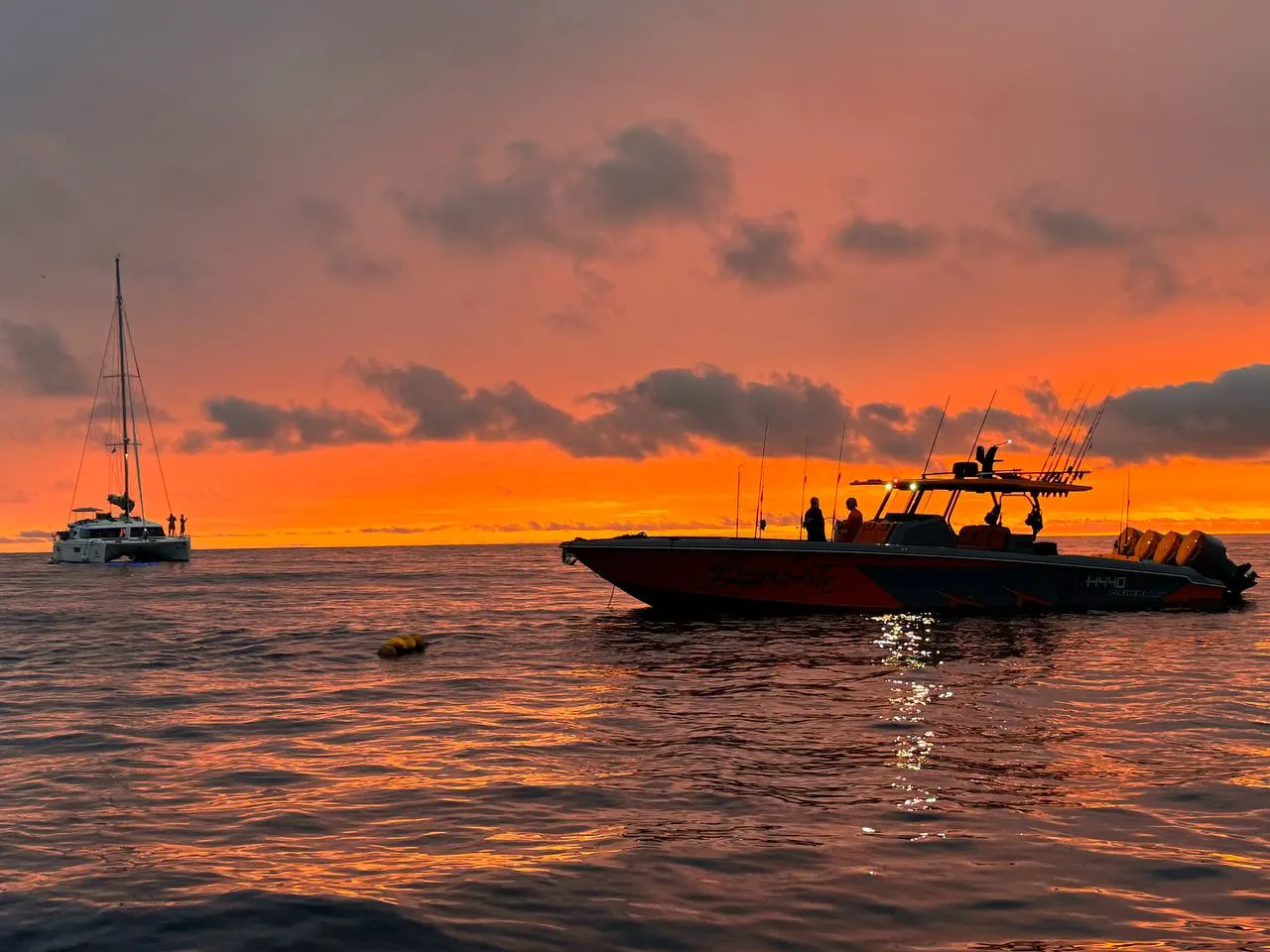
Each boat is equipped with professional fishing gear, modern electronics, and specialized equipment, and guests are assisted by experienced crews focused solely on fishing.
You can also embark on a fishing cruise aboard our other vessel — the Nexus 60 cruising catamaran.
Requirements for a catamaran for ocean crossings
For us, the key factors are size combined with technical condition.
Catamarans of 60 feet and above — and the Lagoon 62 is exactly that — provide the level of comfort necessary for an expedition‑style experience in the Seychelles. It's important to understand the specifics of the region: crossings between islands can be quite long, averaging around 180–200 nautical miles one way.
Under such conditions, the catamaran must offer comfortable navigation on long passages, have enough interior space, and allow for the accommodation of guests, crew, and all necessary equipment.
On board, there must be enough room not only for relaxation but also for storing tackle, personal belongings, and technical gear. This directly affects the quality of the entire expedition.
That is why, in our case, the choice of the Lagoon 62 was based on two main criteria: reliable technical condition and sufficient size. These provide the balance between safety, autonomy, and comfort.
When it comes to how the catamaran handles waves, there is no unique story — it's quite predictable. It behaves like any large catamaran, and much depends on the specific conditions: wave height, wind strength, and the overall situation in the ocean.
At the same time, it's essential to understand a fundamental point: a catamaran is not a vessel for difficult storm crossings. It is not designed for navigation in severe weather, with strong winds and high waves.
Yes, it can move in such conditions, but that is not its primary purpose. Its main function is to provide comfortable and stable passage in normal weather conditions.
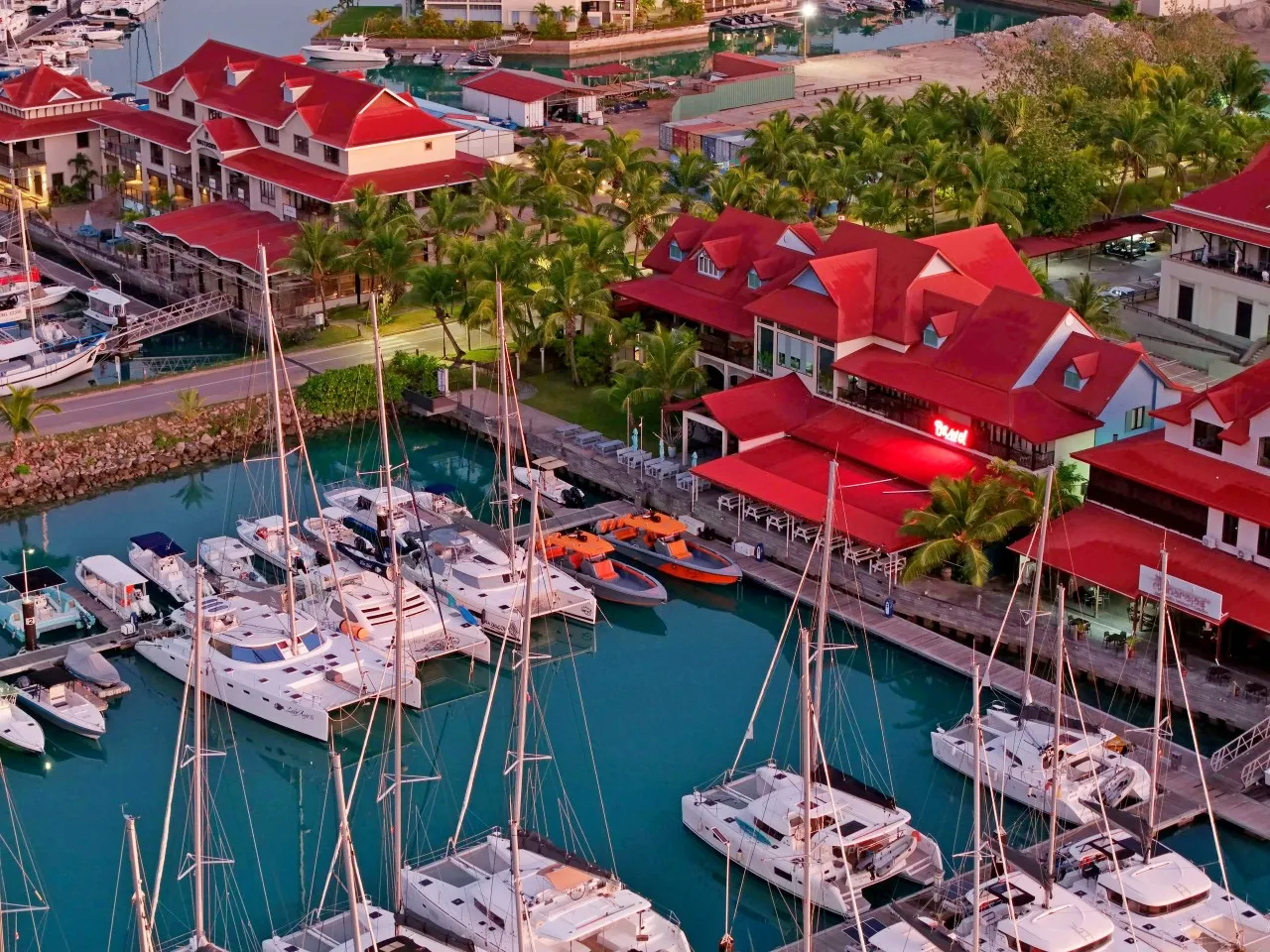
As for speed, most catamarans operate within a fairly narrow range — from 7 to 9 knots (9 knots being more the exception than the rule).
Occasionally, there are situations when the catamaran is moving at around 7 knots, but with a tailwind, the captain can raise the sails and gain an additional 1–2 knots.
And this once again underscores the very concept of a catamaran: it is not about speed, but about comfort, stability, and the ability to move calmly between islands while enjoying the journey through the Seychelles.
Routes and geography of Boombastic cruises on the Lagoon 62
It's important to understand the geography of the Seychelles. Around the main island of Mahé lie numerous remote islands and so‑called "banks" — underwater elevations that are particularly interesting from the perspective of fishing and expedition routes.
Most of these destinations are located approximately 100 to 200 or more nautical miles away. These are not leisurely trips but full‑fledged expeditions, where a pre‑planned route always remains just a guideline.
In practice, we build the program flexibly. We may propose a route before setting out to sea, but the final decision is always made on the spot, based on current conditions: the fishing situation, weather and navigation conditions, and fish activity in specific areas.
Thus, our route is not a fixed line on a map but a living strategy that changes as the journey progresses. This is precisely what makes Boombastic fishing expeditions truly effective and rewarding.
Features of cruises to remote islands
If you compare our routes with classic cruise journeys in the Seychelles, the difference becomes obvious.
Classic tourist routes are typically built around the inner islands. This is the familiar pattern: Mahé — Marine Park — Sainte Anne Island — Praslin — Silhouette — return to Mahé.
In effect, the route stays within roughly 40 nautical miles of the home port. At any moment, you have access to infrastructure: fuel, water, electricity, and technical support.
This makes such cruises predictable and relatively simple from a logistical standpoint.
Our format is fundamentally different. When we head out to remote islands, the distances multiply, and with them the level of responsibility, because for us this is not just a cruise but a serious fishing expedition.
The captain, the chef, every member of the crew understands — we are not going for a joyride; we are searching for an interesting fishing experience. Here, everyone must work as a single team.
Under such conditions, the catamaran must be fully self‑sufficient. With the Lagoon 62, this is entirely achievable, as it is capable of staying out on such an expedition for at least two weeks without entering a port.
In practice, however, we have so far limited ourselves to trips of around 8–9 days. This is not due to the catamaran's capabilities but to resource calculations within the Boombastic program — primarily fuel.
Nevertheless, the potential for longer expeditions, up to 14 days, certainly exists.
How is the space on the Lagoon 62 arranged?
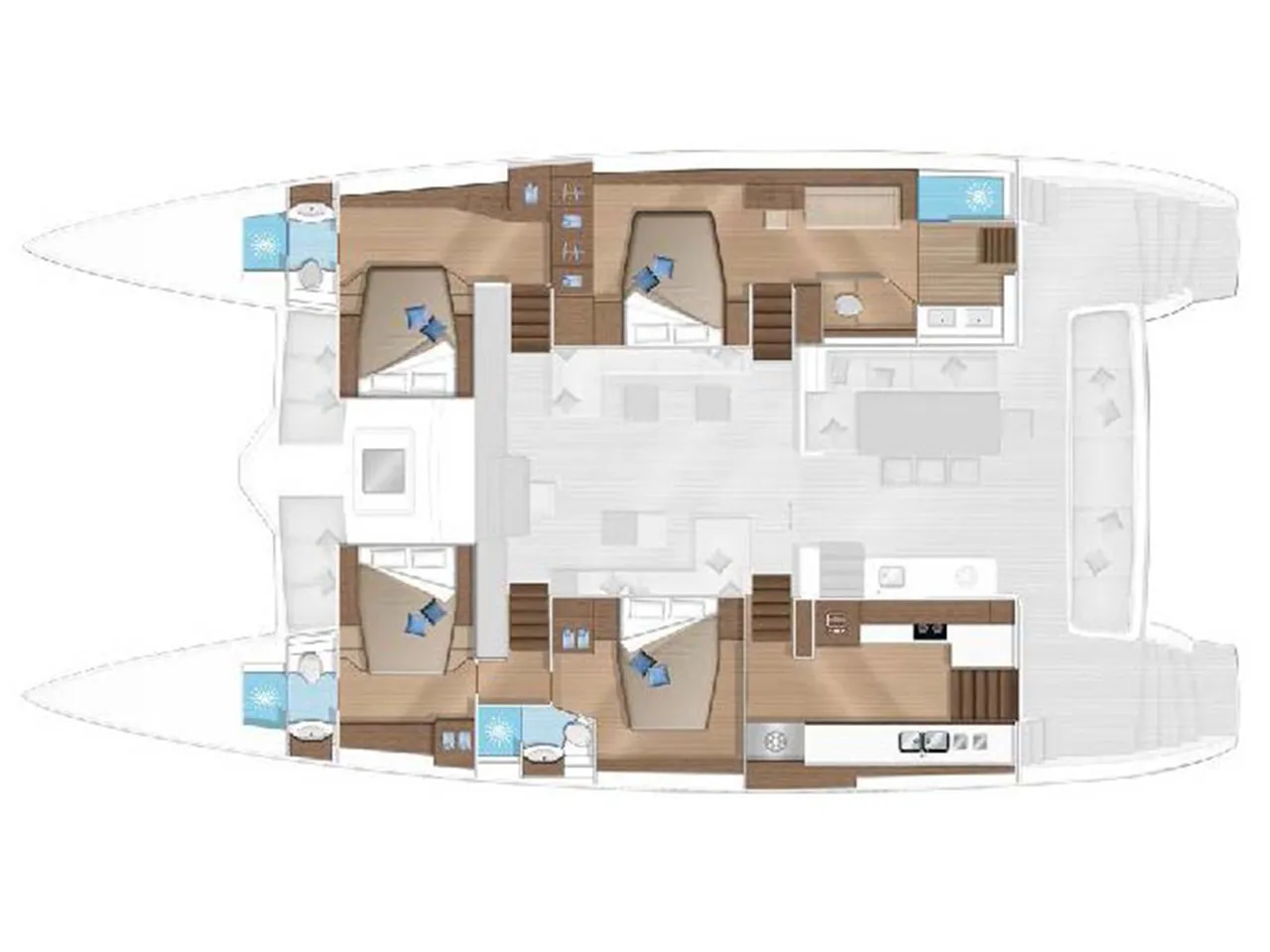
Our catamaran is a classic, spacious Lagoon 62. In total, it has six guest cabins, but we use only four for guests. The other two are occupied by the crew.
This arrangement works comfortably for everyone, as our groups are typically small: three to four people, occasionally five. Four cabins are more than sufficient for guests.
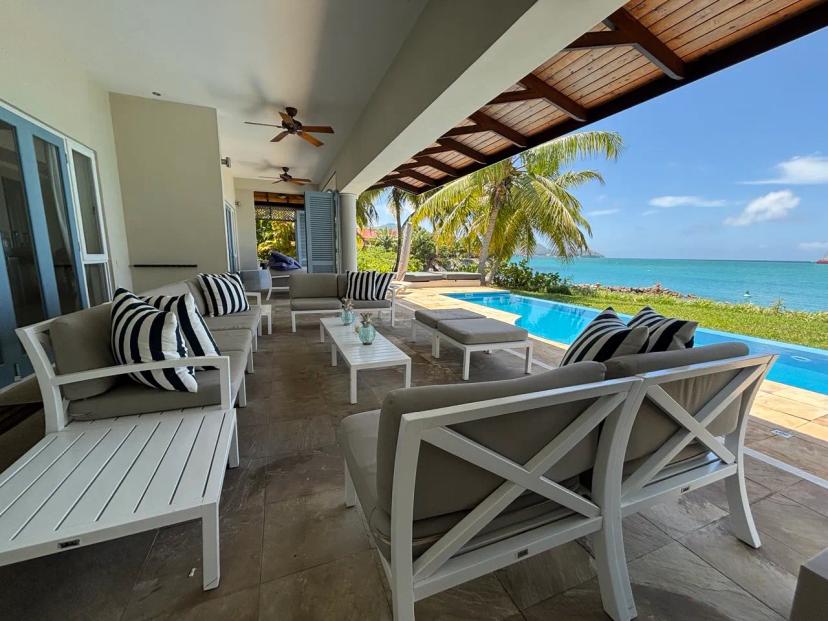
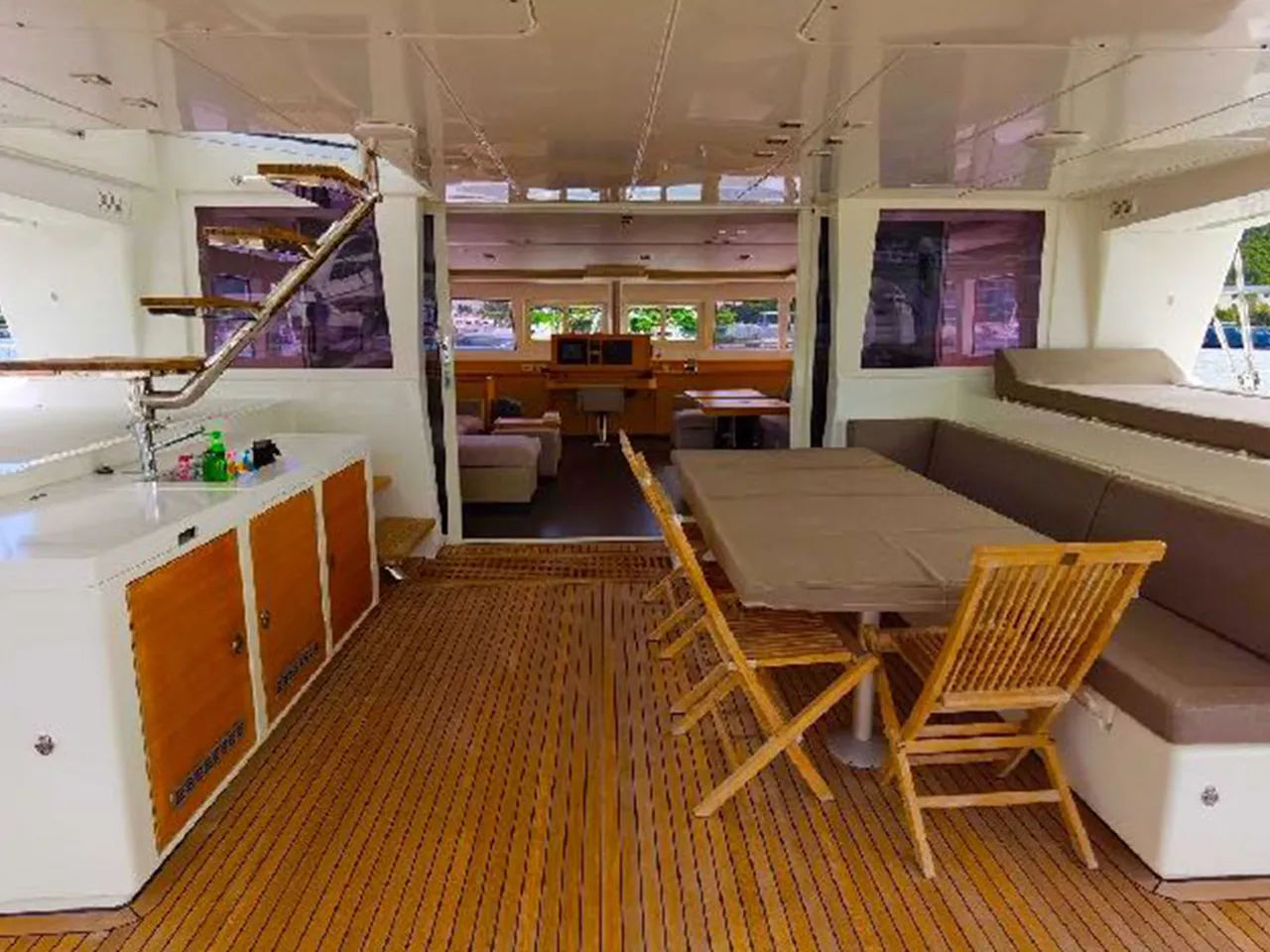
In terms of ergonomics, most catamarans are arranged similarly. At the center is the salon, which — depending on the weather — can be open, enclosed, or transformed. We use it as a dining area and a meeting place.
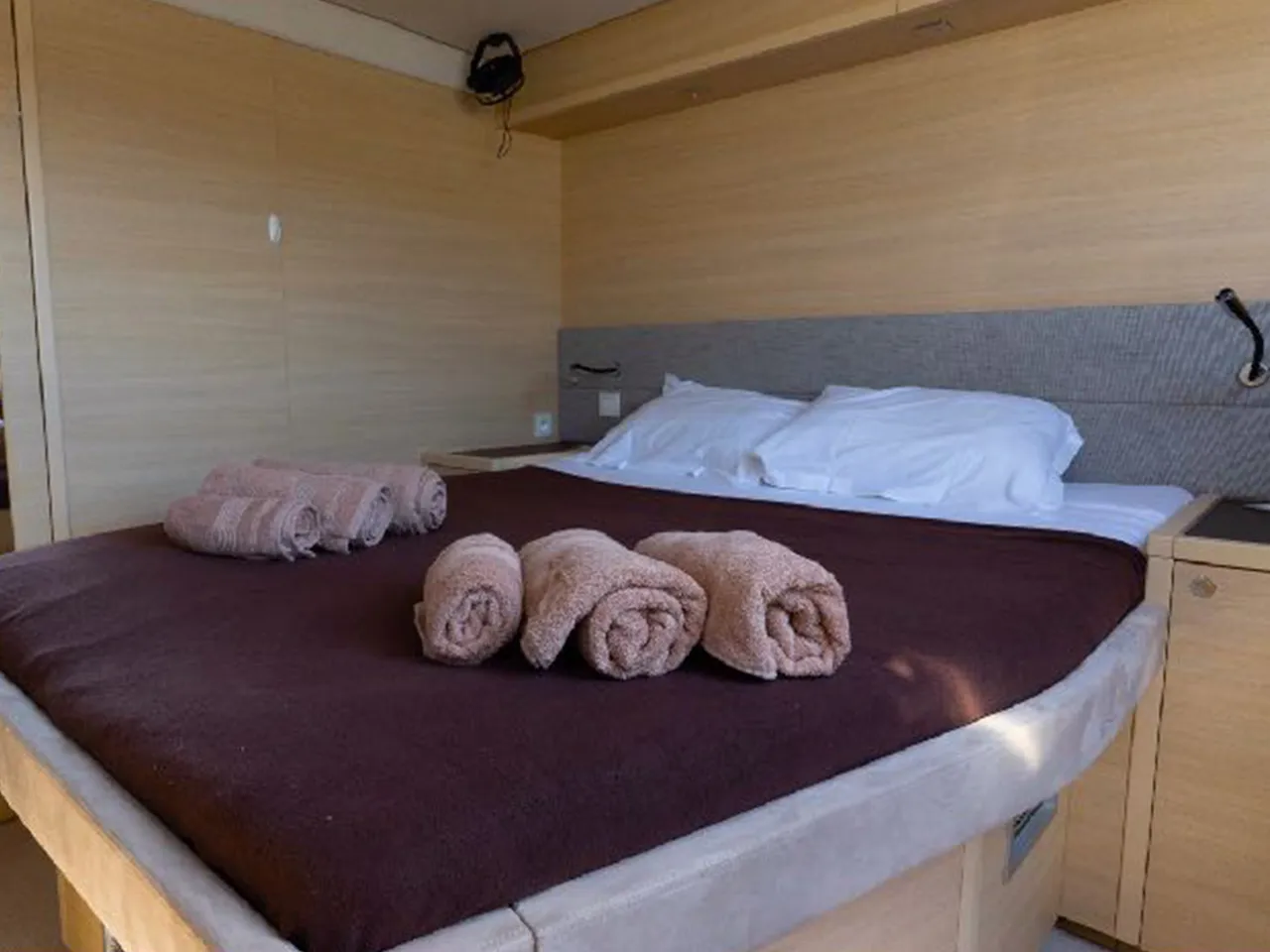
The cabins are located in the hulls on either side. Each cabin has a comfortable large bed, its own bathroom with a shower and toilet, air conditioning, and charging outlets. All basic needs are covered. Additionally, there is a fully equipped kitchen, refrigerators, ice makers, and a washing machine on board.
The catamaran itself is organized as a full‑fledged living space — essentially a floating home or even a small cottage.
Safety on board the Lagoon 62 and during the expedition
When it comes to long‑range expeditions, the question of safety inevitably arises. For us, it rests on several levels:
- First — a mandatory watch and constant monitoring of all systems while underway.
- Second — a set of safety equipment: life rings, automatic inflatable rafts, various signaling devices.
- Third — communication.
On board our Lagoon 62, we always have VHF radio, a satellite phone, and recently we have been actively using Starlink internet. All of this together makes the catamaran reliable for long‑distance voyages.
In the normal season, when navigation conditions are favorable, we routinely cross 200–300 nautical miles one way. This is standard practice for the expedition format in the Seychelles.
Regarding the presence of children on board, safety primarily depends on following basic rules and supervision by adults. With proper organization of the space and attention from the crew, the catamaran itself remains a safe environment for all participants of the journey.
How a day unfolds on a Boombastic expedition cruise
The comfort of guests on board is handled by the crew, which typically includes the captain, a chef, and sometimes a steward. At the same time, everyone has fairly versatile roles; they are not limited to narrow tasks and participate in everything — from cooking to maintaining cleanliness on board.
A day during the expedition is structured clearly and rhythmically to maintain a balance between activity and rest.
A typical daily schedule looks like this:
- Wake up at 5:00 AM;
- Breakfast from 5:30 to 6:00 AM;
- Start at 6:00 AM — heading out on the water;
- Return to the boat around noon;
- Lunch at 1:00 PM, followed by rest;
- Evening session at 3:00 PM — approximately three more hours of fishing.
This adds up to a full eight to nine hours of fishing each day, but without an exhausting race: guests have time to fish, rest properly, and eat. In the evening — dinner, socializing, sharing impressions and photos.
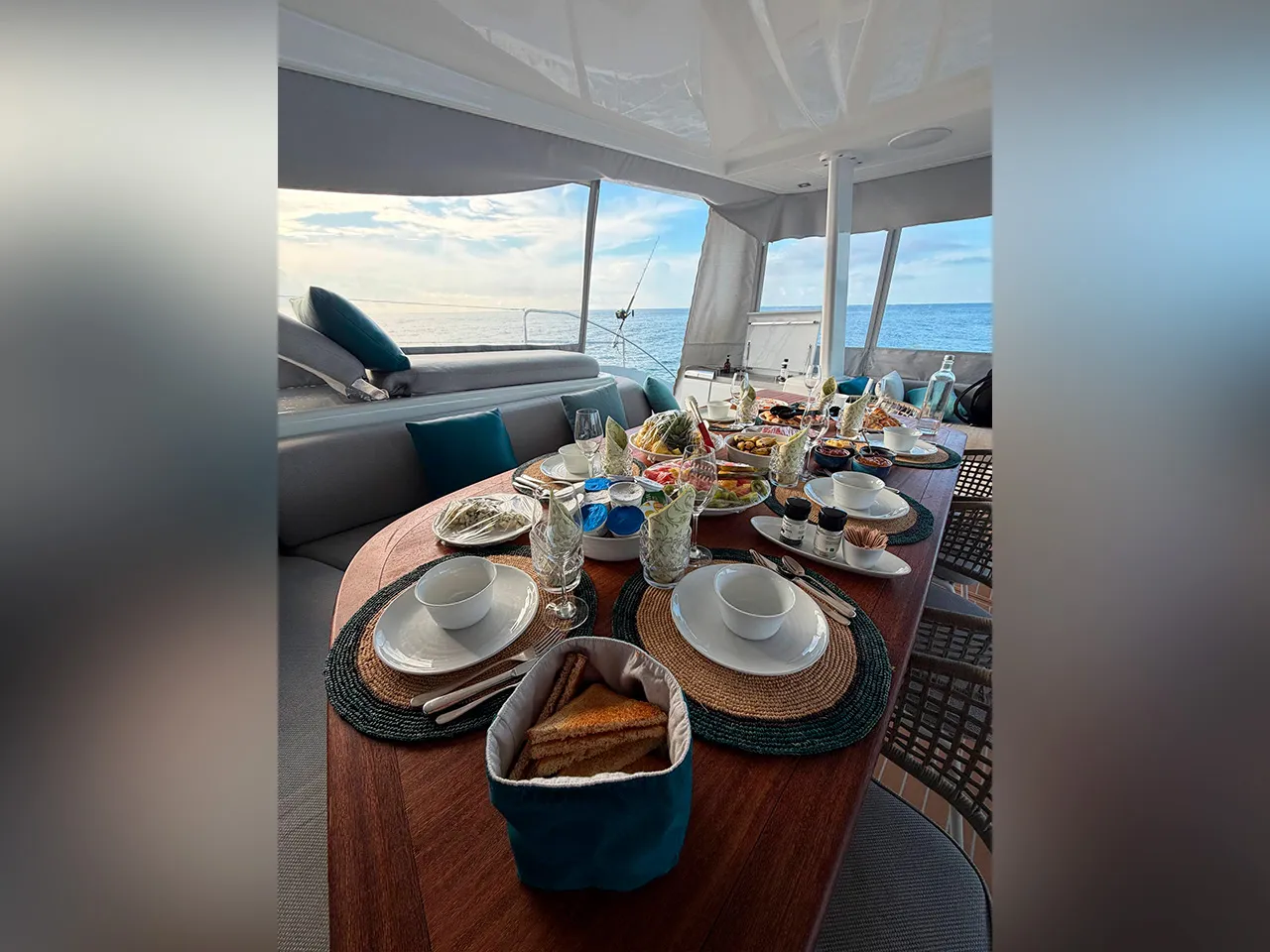
This format offers a completely different experience compared to a classic hotel vacation. It creates a sense that you are part of an expedition: living on board, feeling like either an explorer or a sailor. Around you is vibrant wildlife, stunning landscapes, and all of this is combined with serious fishing.
Moreover, long‑range expeditions provide the opportunity to visit unique, rarely visited places — to see those parts of the Seychelles that are inaccessible through standard tourist itineraries.
Who is a fishing cruise on the Lagoon 62 suitable for?
Ideally — for those who want to fully unlock the fishing potential of the Seychelles. To try different fishing methods, experience various conditions, catch as many species as possible, and test their own endurance.
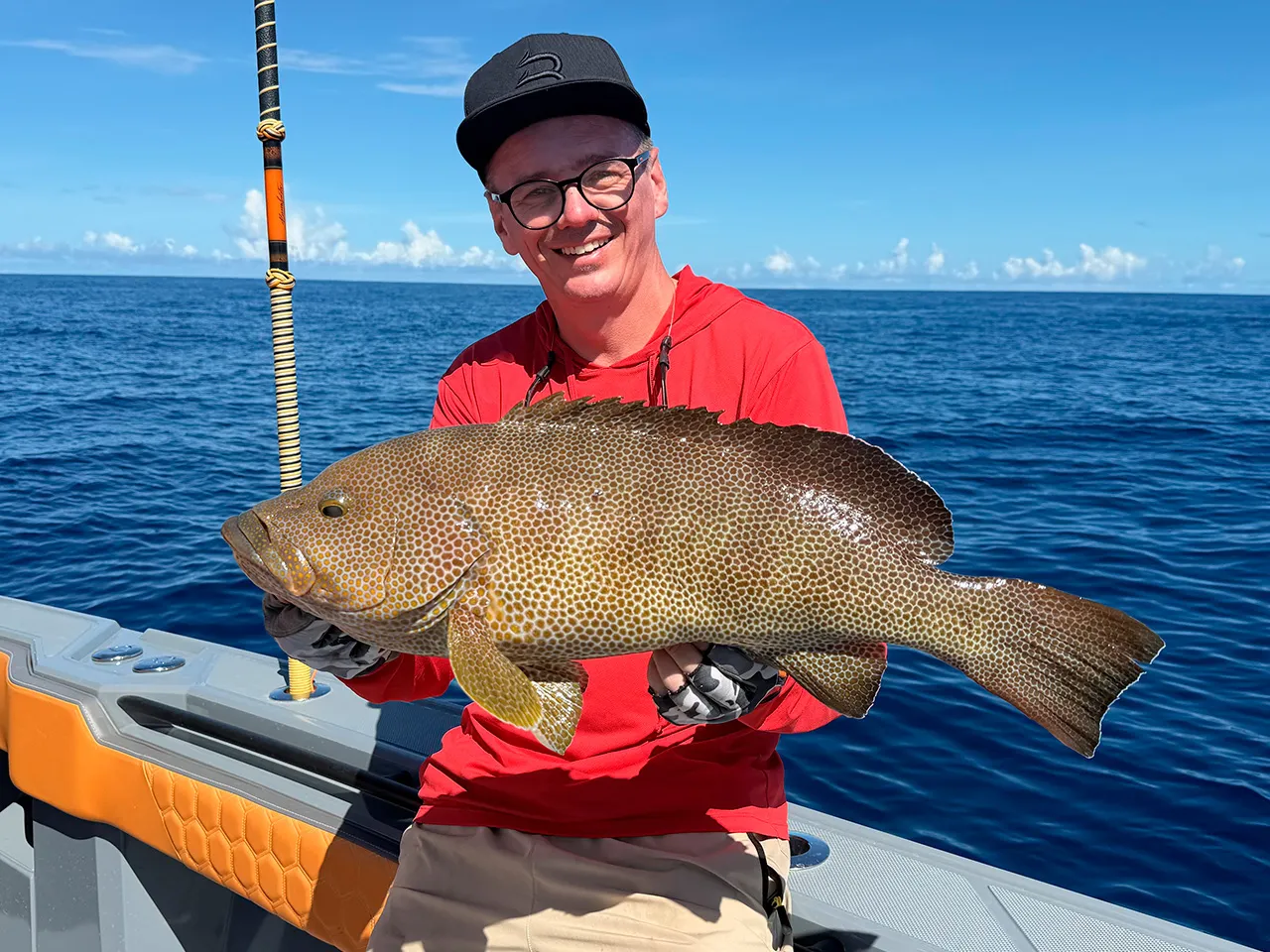
In spirit, this is more of a fishing experience, simply we do everything to make that experience as comfortable as possible. This format is suitable even for beginners in fishing, because all our cruises are accompanied by professional guides.
What to expect from the journey?
The expedition is completely unpredictable, but that is precisely what makes it wonderful. You can expect unexpected emotions, fantastic results, some utterly unprecedented incidents, and catches of a wide variety of fish. And, of course, great heartfelt interaction — with friends and with the professional fishing team of Boombastic.
Technical specifications of the Lagoon 62 cruising catamaran
The Lagoon 62 (model Lagoon 620) is the brainchild of the famous French shipyard, designed by architects Van Peteghem and Lauriot Prevost (VPLP) in partnership with Lagoon's own R&D department.
Main specifications:
- Length: 18.90 m (62 ft)
- Beam: 10.00 m (33 ft)
- Draft: 1.55 m (5.1 ft)
- Displacement: 32 tons
Tanks and range:
- Fuel capacity: 1,200 to 1,500 L (in two stainless steel tanks)
- Water capacity: 960 to 1,300 L (in two tanks)
- Watermaker is included as standard equipment
- Capacity: up to 10 guests plus crew in 5–6 cabins with private bathrooms
Engines and performance:
- Powerplant: 2 x 110 HP (Yanmar or Volvo) or 150 HP (diesel)
- Cruising speed: 7–9 knots
- Fuel consumption: average 30 to 55 L/hour depending on operating conditions
- Sail area: 160 m² (fully battened mainsail, roller furling jib)
Living and comfort equipment:
- Power supply: generator, inverter, and solar panels
- Climate control: air conditioning and heating system in all cabins
- Appliances: fully equipped galley (refrigerator, freezer, oven, dishwasher, ice maker)
- Other: washing machine and dryer, TV, Wi‑Fi
Navigation and safety:
- Navigation: autopilot, radar, GPS/chartplotter, echo sounder, charts, AIS
- Communication: VHF radio, satellite phone, Starlink internet
- Safety: automatic fire extinguishing system, life raft, life jackets, signaling devices
Choose and book your exclusive tour to the Seychelles islands with Boombastic Tours.