Seychelles holiday: your 10‑day summer itinerary
In this article, we have prepared an extended itinerary for you, designed for a ten-day vacation in the Seychelles. Ten days is already a comfortable timeframe: in addition to the classic trio of the three main islands, there is time for sea activities and a relaxed pace without the rush to tick off every sight.
The principle behind the summer itinerary remains much the same as the seven-day route: start with the more flexible Mahé, then move on to the smaller islands. We will distribute the extra days so that each island can be explored more fully, and we suggest wrapping up the trip with a sea-based program.
Spend 3 days on Mahé: western beaches, nature reserves, and the Sainte-Anne Marine Park
Take excursions to local natural attractions and visit nature reserves:
- Morne Seychellois National Park – Located in the northern part of Mahé, it includes high volcanic hills covered in tropical forests. The park covers an area of about 3,045 hectares, which accounts for more than 20% of Mahé's territory.
- Cap Lazare Nature Reserve – Situated in the southern part of Mahé, in the Baie Lazare area. The reserve spans 65 hectares. Here you will find virtually untouched nature: dense forests, rocky cliffs, and secluded beaches.
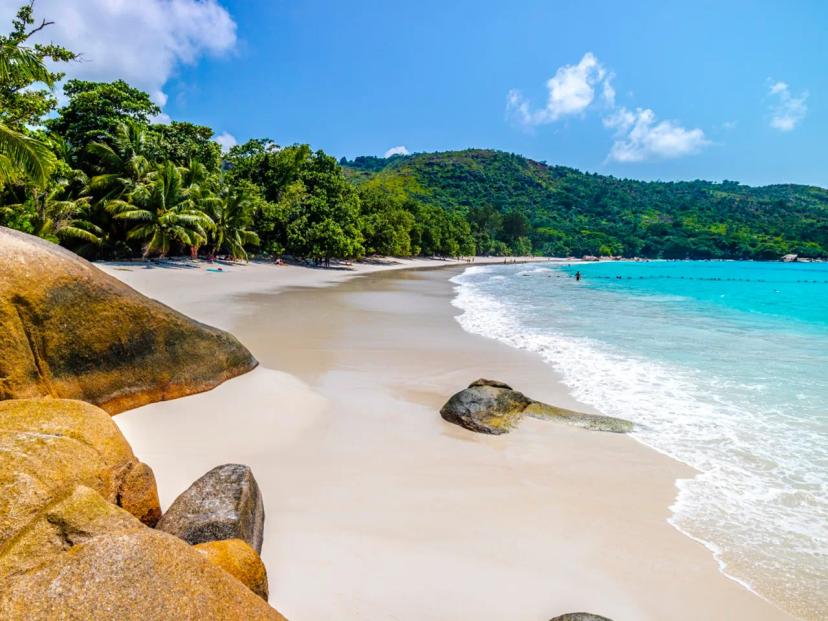
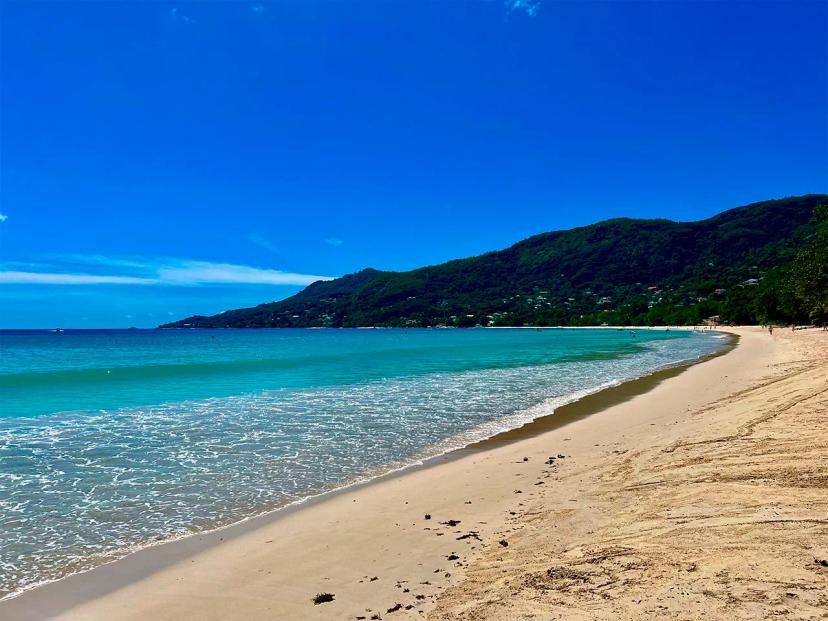
Be sure to visit Anse Major Beach – a secluded bay surrounded by granite boulders, lush greenery, and coconut palms. The beach is about 200 meters long and is divided into two sections by granite rocks, covered with fine white sand. The entry into the water is gentle, and the seabed is sandy.
You can reach the beach via the mountain trail of the same name, as well as by water taxi or a sightseeing boat.
The trail is approximately 2.7 kilometers long, and the one-way hike takes about 1 to 1.5 hours. The path winds through forest and a river valley, leading to a rocky ridge that offers panoramic views of Silhouette and North Islands.
Along the way, you will encounter granite boulders, local vegetation (palms, pandanus, Seychelles vanilla), and birds (the Seychelles sunbird, the Seychelles blue pigeon, and the Indian myna).
The trail is considered one of the easiest in the Seychelles, but it still requires a reasonable level of fitness due to the ascents and descents, as well as navigating over granite rocks and boulders. Keep in mind that during the rainy season (December–February), the rocks can be slippery.
It is also worth noting that due to the trail's difficulty, it is not recommended to bring children along on this hike.
Dedicate one of your three days on Mahé to the sea — head to the Sainte Anne Marine National Park.
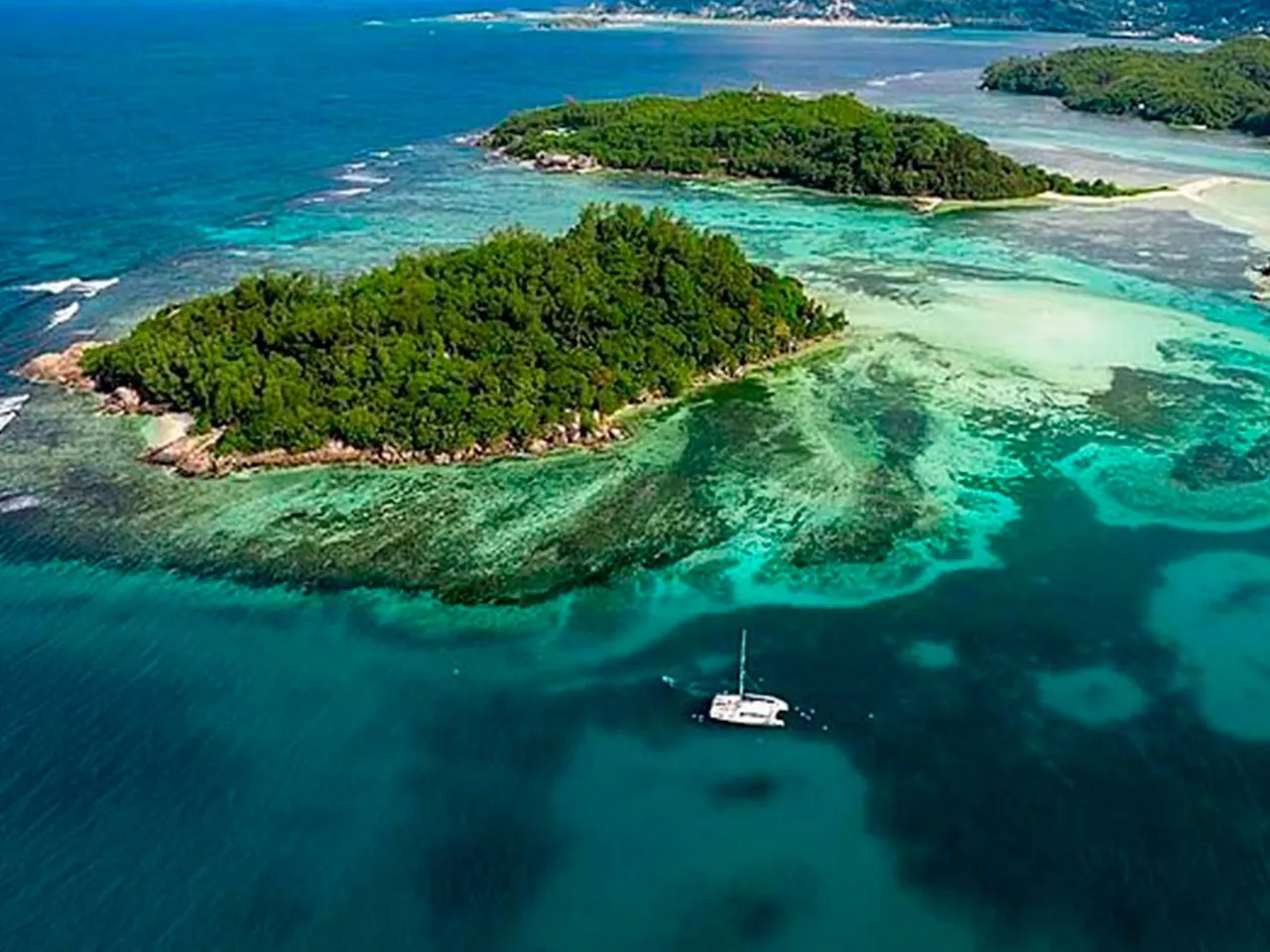
The park is located about 5 km from the capital, Victoria, and comprises six small islands: Sainte Anne, Cerf, Moyenne, Ronde, Longue, and Cache. Established in 1973, it became the first protected marine area in the Indian Ocean.
The park covers a total area of approximately 14.4 km², most of which consists of coral reefs and some of the largest seagrass meadows found among the granitic islands of the Seychelles.
This is an ideal spot for snorkeling and glass-bottom boat tours: the clear waters are home to green and hawksbill turtles, rays, and dozens of species of reef fish. Keep in mind that fishing and water sports are prohibited within the park's boundaries — it was established specifically to protect marine life.
Be sure to land on Moyenne Island — a tiny private island that a British man named Brendon Grimshaw transformed into a nature reserve. Here, introduced Aldabra giant tortoises roam freely along the trails, and among the greenery, you can still find old structures and pirate graves.
After Mahé, head to the island of Praslin for three days
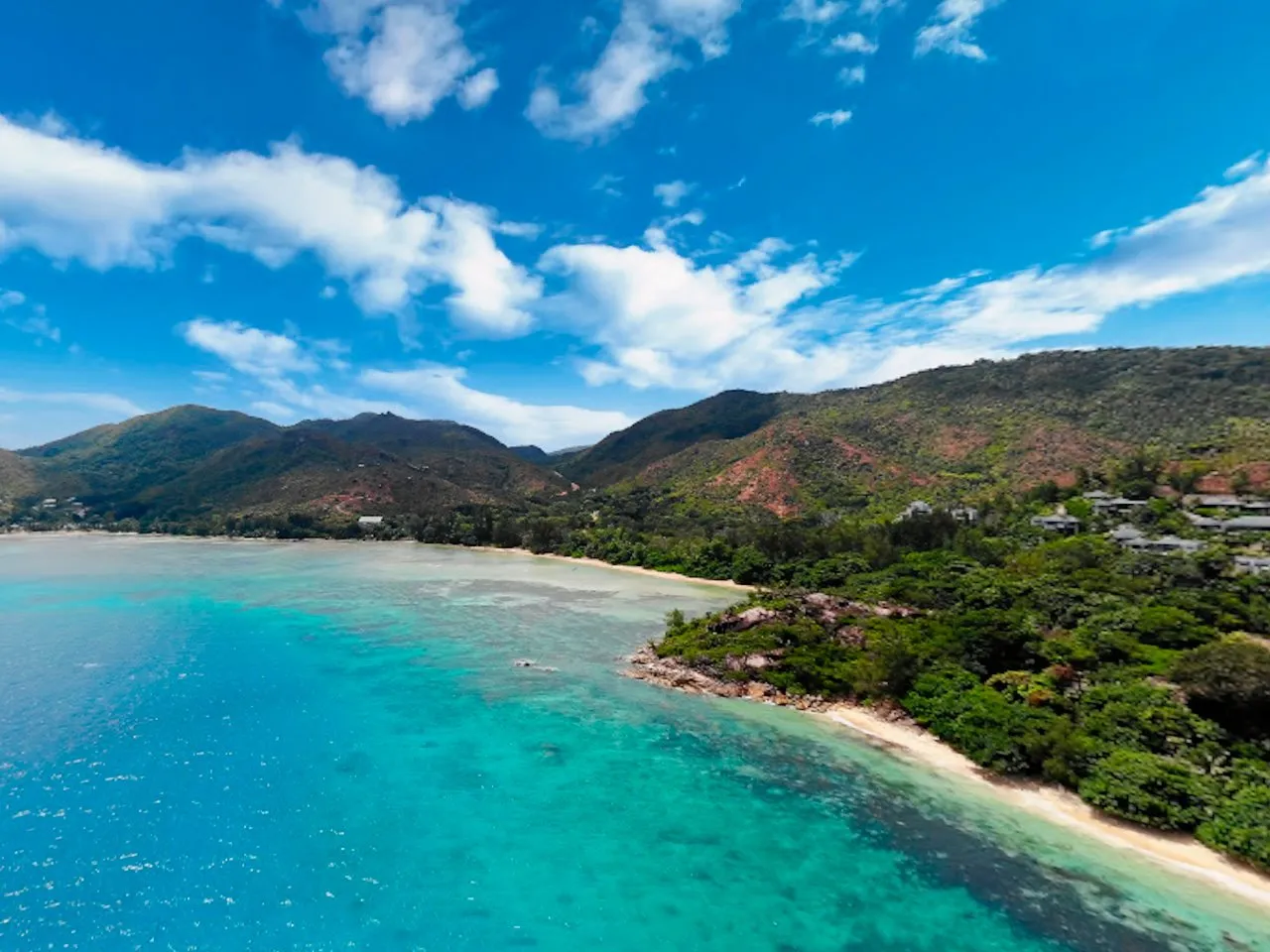
Visit Anse Lazio Beach, located on the northwestern coast of the island. It stretches for 400 meters and lies in the sheltered bay of Chevalier Bay, about 11 km from Anse Sainte Anne.
You can get there by rental car, taxi, or local bus. From Mahé Island's airport, travelers typically reach Praslin by boat, ferry, helicopter, or light aircraft. You can take a bus directly to the beach from anywhere on the island.
After the beach, head to the Vallée de Mai (Réserve naturelle de la vallée de Mai, or "May Valley") — a nature park covering 19.5 hectares.
Most of the park is covered by palm forests, dominated by the endemic Seychelles palm (Lodoicea maldivica), whose seeds are the largest of any plant species.
The tallest trees reach heights of 30–40 meters.
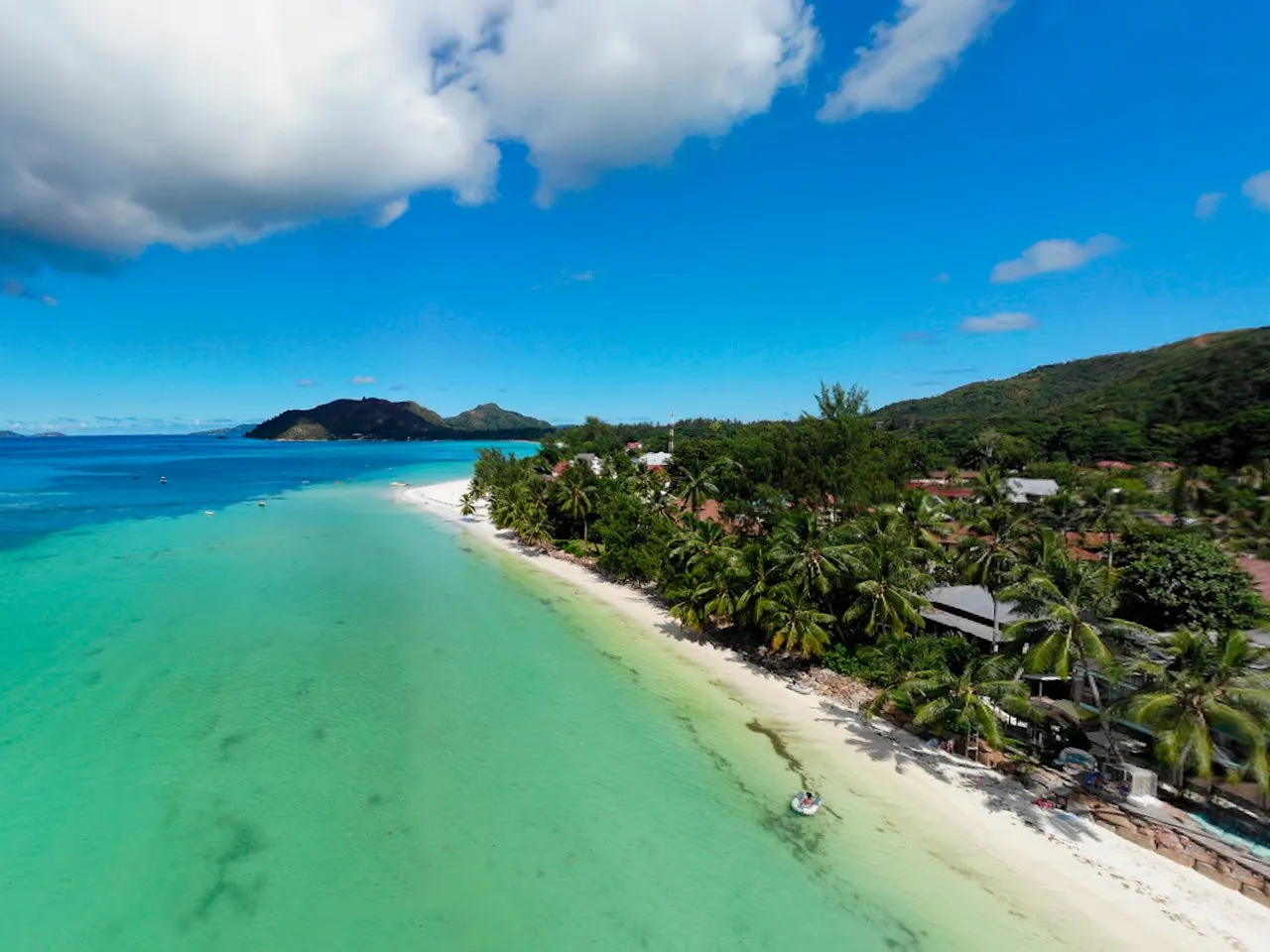
Several walking trails are laid out throughout the park, which are easy to follow thanks to the signposts. Visitors can explore the sights on their own or book a guided tour.
Since you have a third, extra day on Praslin, don't limit yourself to just one beach. Check out Côte d'Or (also known as Anse Volbert) on the eastern coast — a long stretch of soft white sand with a gentle slope into the water, ideal for extended relaxation and snorkeling.
Another gem of the island is the secluded Anse Georgette Beach in the northwest, which is worth visiting for its calm turquoise bay framed by granite boulders.
From Praslin, take a marine excursion to the island of Curieuse — it's just a 20-minute boat ride away.
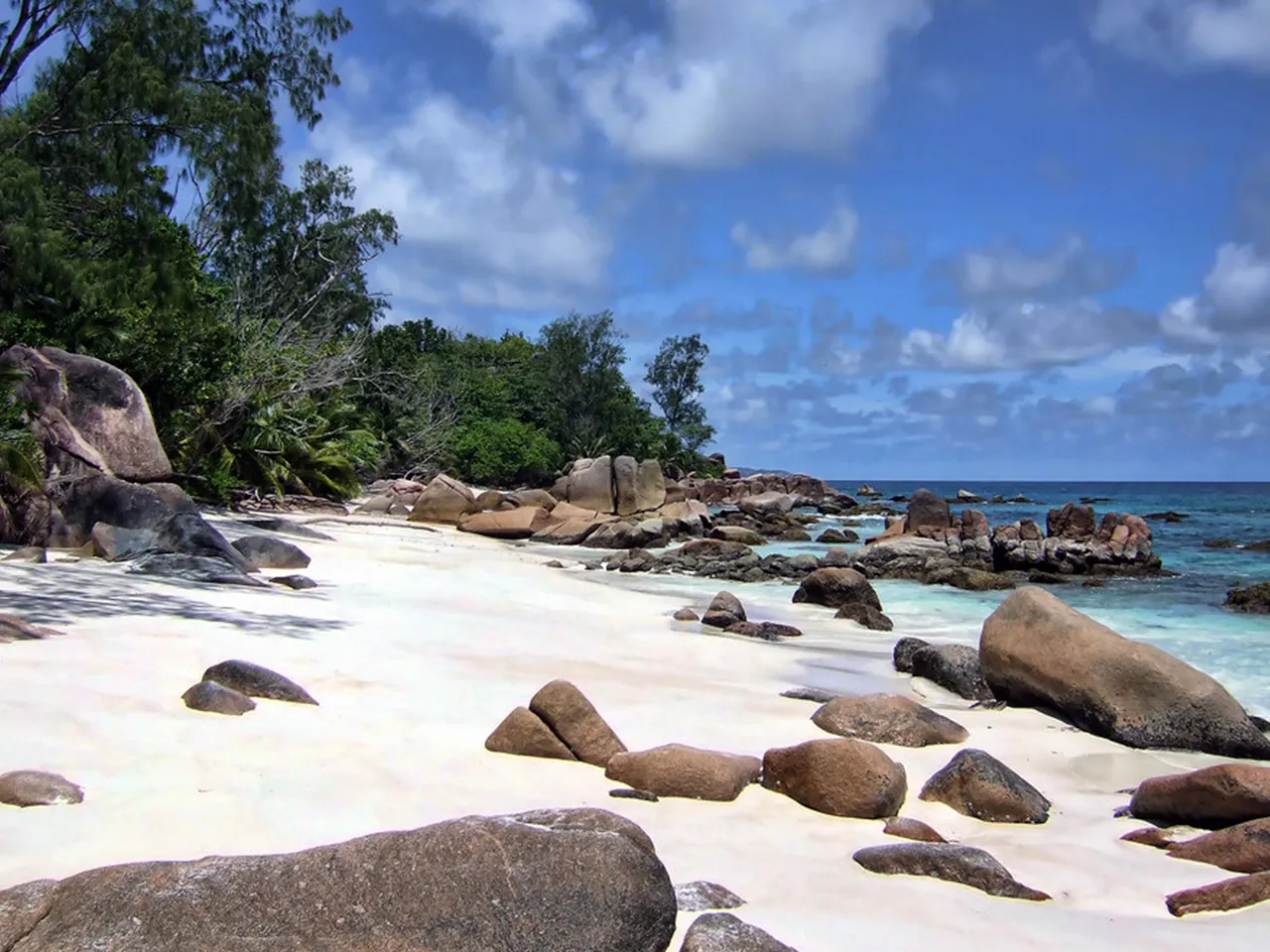
Curieuse is a small granitic island covering about 2.9 km², located roughly 2 km northeast of Praslin. Since 1979, it has been part of the Curieuse Marine National Park, along with its coastal waters. The island is easily recognized by the striking contrast of its red soil and lush greenery — which is why it was historically known as Île Rouge ("Red Island").
The main attraction is the several hundred Aldabra giant tortoises that were brought here from Aldabra Atoll between 1978 and 1982. Today, they roam freely across the island, and you can encounter them right near the ranger station. Curieuse is one of the few places outside Praslin where the endemic Seychelles palm (Coco de Mer) grows in its natural habitat.
A trail crosses the island from Baie Laraie to Anse St. Joseph, passing through mangrove forests via a wooden boardwalk. At Anse St. Joseph, you will find the "Doctor's House" — a restored 19th-century colonial villa that once served as a leper colony and now functions as a museum.
A five-minute boat ride from Curieuse brings you to the tiny islet of St. Pierre — one of the best snorkeling spots in the area, featuring vibrant reefs among picturesque granite boulders.
Continue your itinerary on the island of La Digue — spend two days there.
Among the attractions, be sure to visit:
- L'Union Estate Park — formerly a coconut and vanilla plantation, located in the southern part of the island. The park offers a glimpse into the island's colonial history. You can stroll through a palm grove, visit a traditional copra mill where the traditional process of making copra (dried coconut flesh) and extracting coconut oil is demonstrated. The park's main highlight is the planter's house, a colonial-style building with a thatched roof.
- Veuve Reserve — a nature reserve in the western part of the island, established to protect various plant and animal species, many of which are found only in the Seychelles. The reserve's primary purpose is to provide a protected environment for the conservation of the Seychelles black paradise flycatcher population.
- Mount Nid d'Aigle ("Eagle's Nest") — the highest peak on the island, rising over 300 meters above sea level.
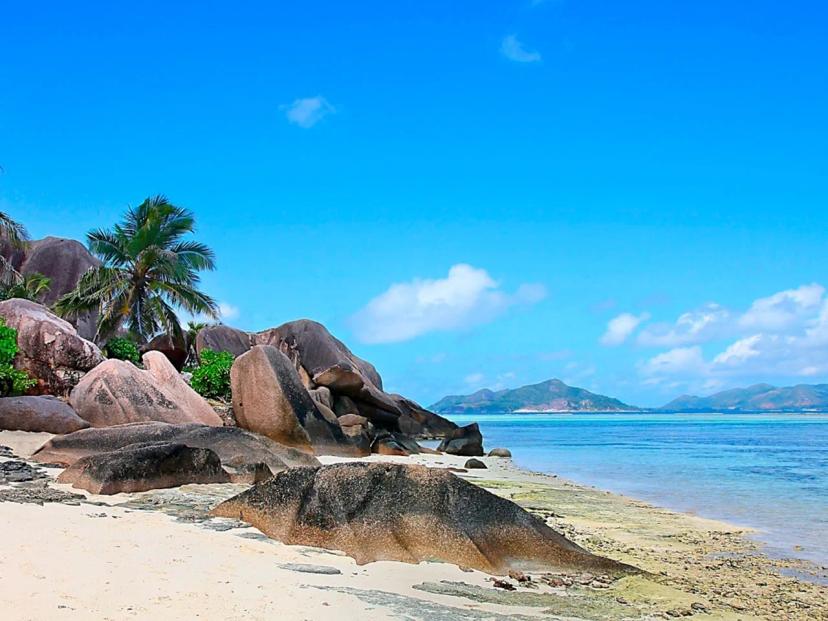
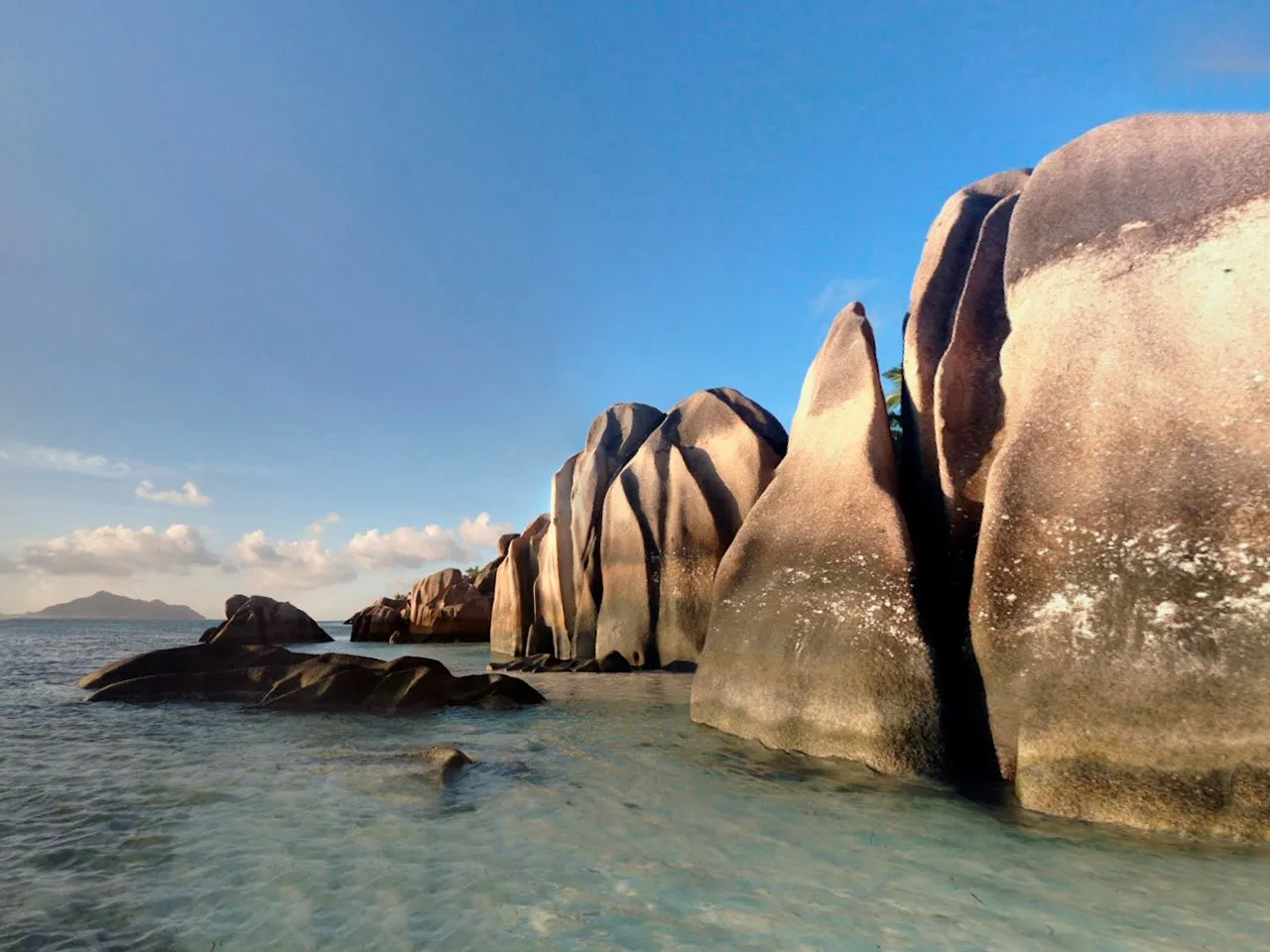
The island's hallmark is the coastline of Anse Source d'Argent ("Silver Spring") with its panoramic views of massive granite boulders that glow pink in the morning and turn red at sunset.
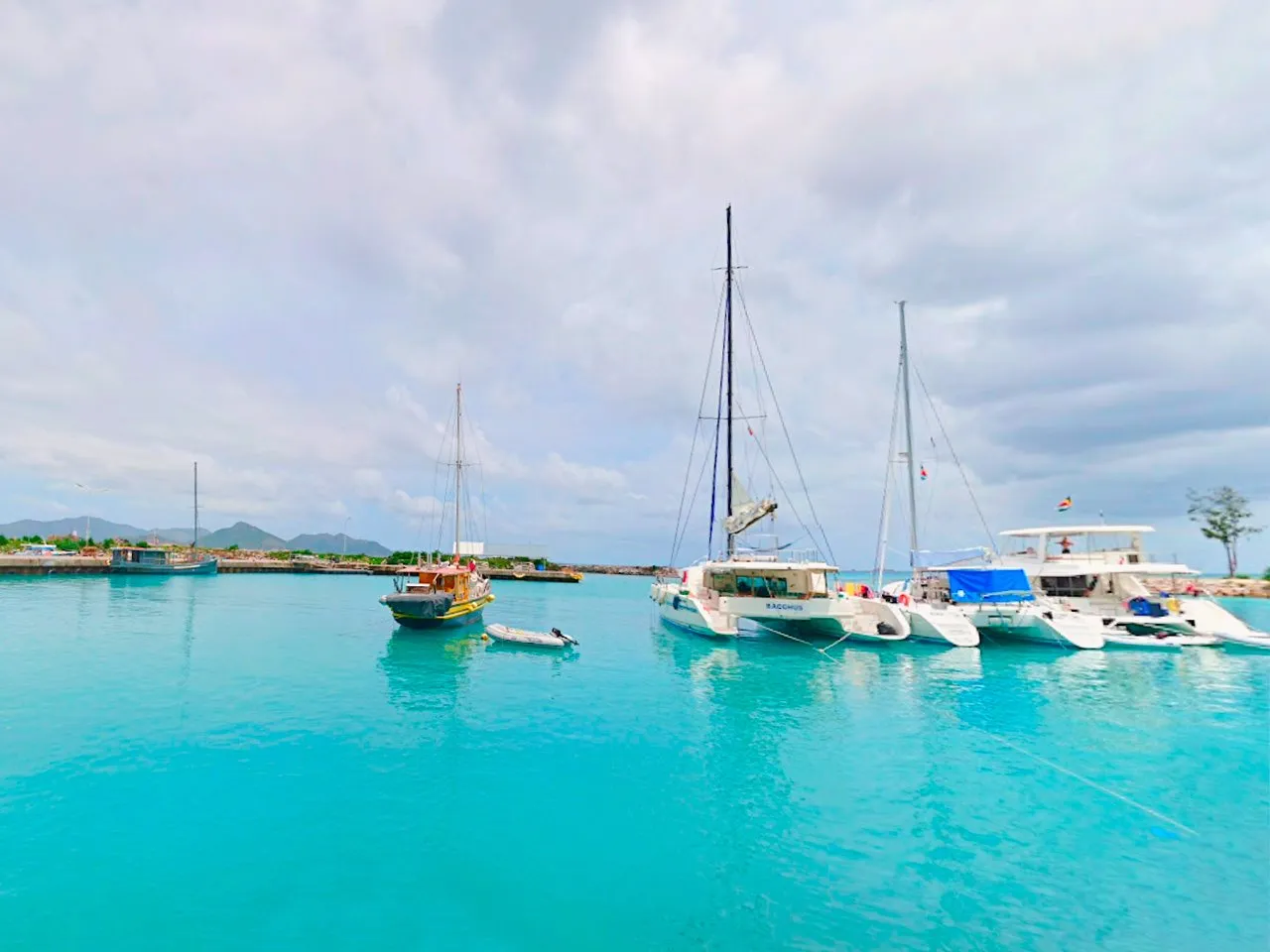
La Digue has other beaches as well: Grand Anse, Petite Anse, and Anse Coco on the southeast coast, Anse La Réunion on the west, Anse Sévère, Anse Patate in the northern part, and others.
Beyond beach relaxation, La Digue also attracts divers: there are over 30 dive sites in the waters around the island. For example, "Ave Maria," where rays and reef sharks inhabit the granite formations, and "White Bank," where you can spot unicornfish, lobsters, and octopuses.
There are very few cars on the island, but bicycles are very popular. You can rent one in Anse Réunion Bay or right upon arrival at the jetty in La Passe.
Wrap up your itinerary with two days on the water: a sea cruise and fishing.
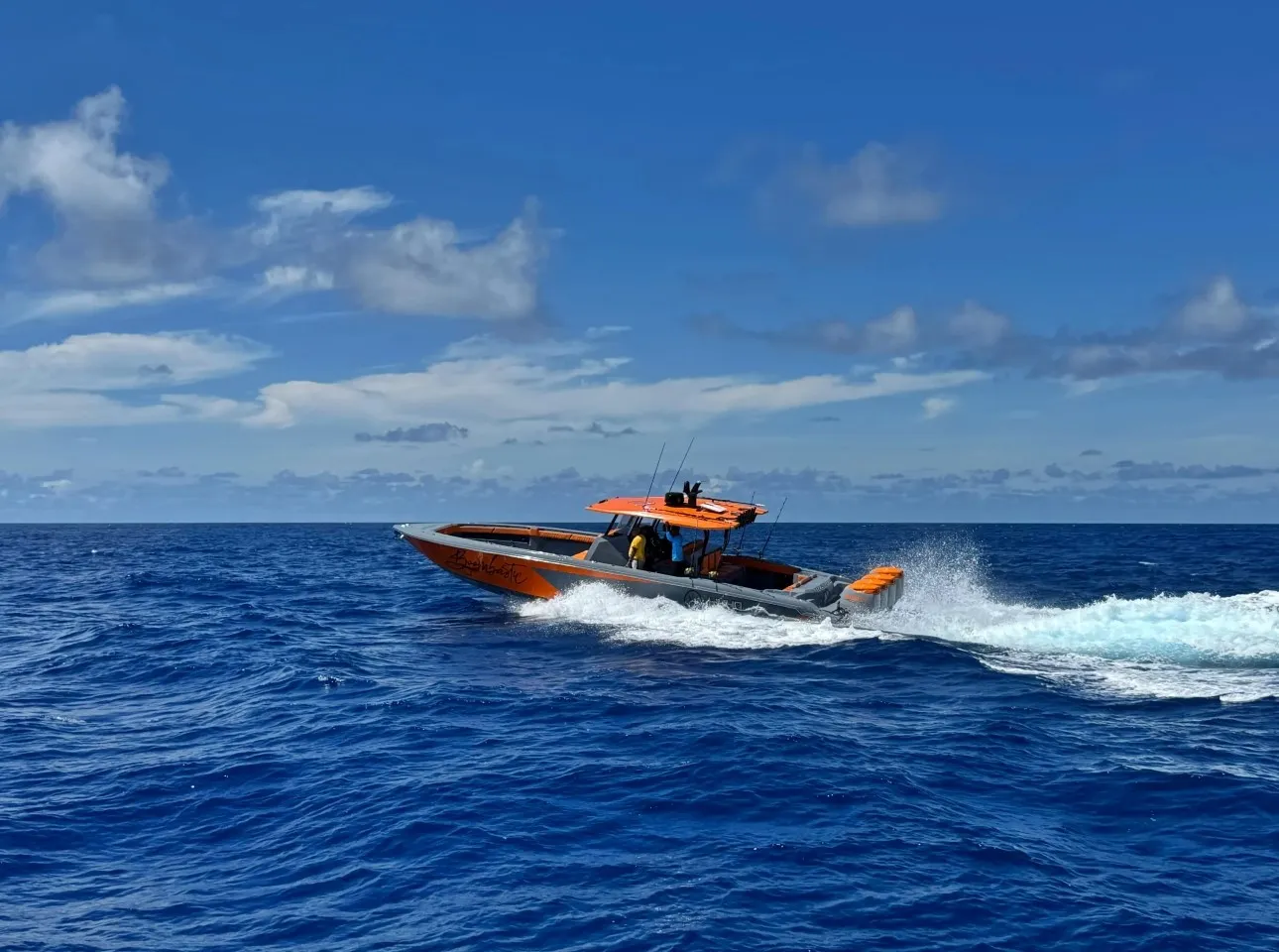
Ten days allow you not just to move between islands, but to dedicate the finale of your vacation to the sea itself — that part of the Seychelles you cannot see from the shore.
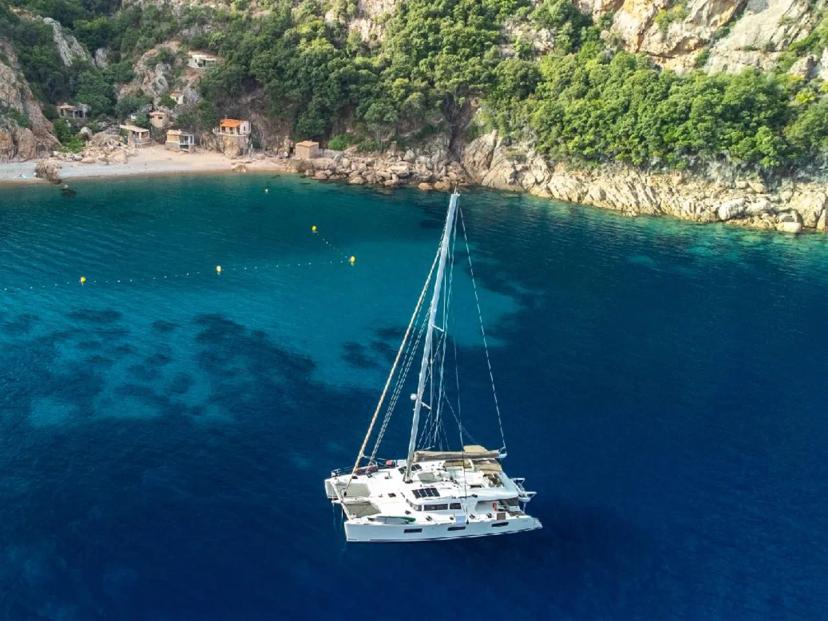
Set out on a cruise around the small islands surrounding La Digue and Praslin. These waters abound with snorkeling spots and landing sites: granite satellite islands with crystal-clear lagoons, secluded beaches without crowds of tourists, and vibrant reefs. This format works well because the route is flexible and adapts to the weather and your preferences — from a leisurely drift with stops for swimming to an active day with crossings between several locations.
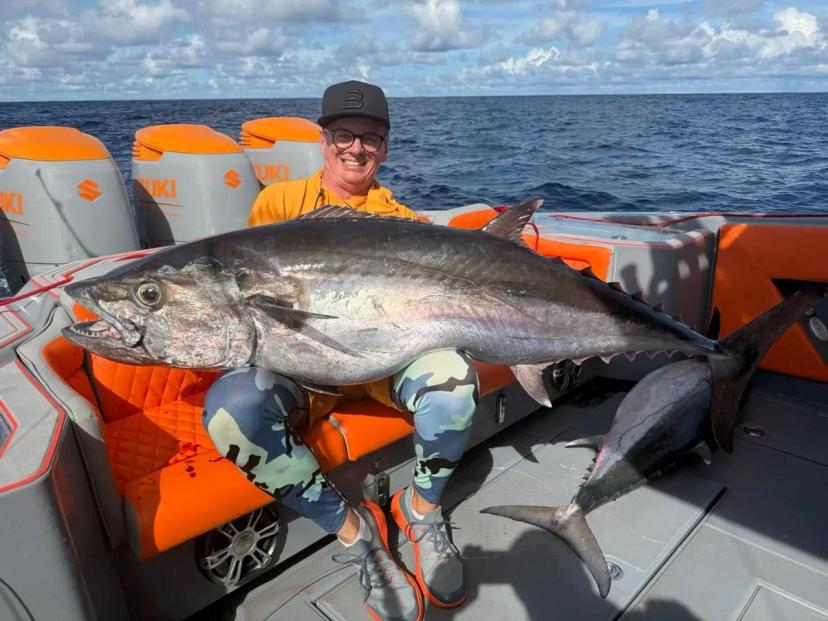
The second day should be given over to sea fishing — one of the premier marine activities in the Seychelles. Depending on the season and fishing grounds, you can encounter tuna, barracuda, mahi-mahi, sailfish, and other trophy fish here. Fishing can easily be combined with a boat trip: while part of the group fishes, the rest can swim and sunbathe.
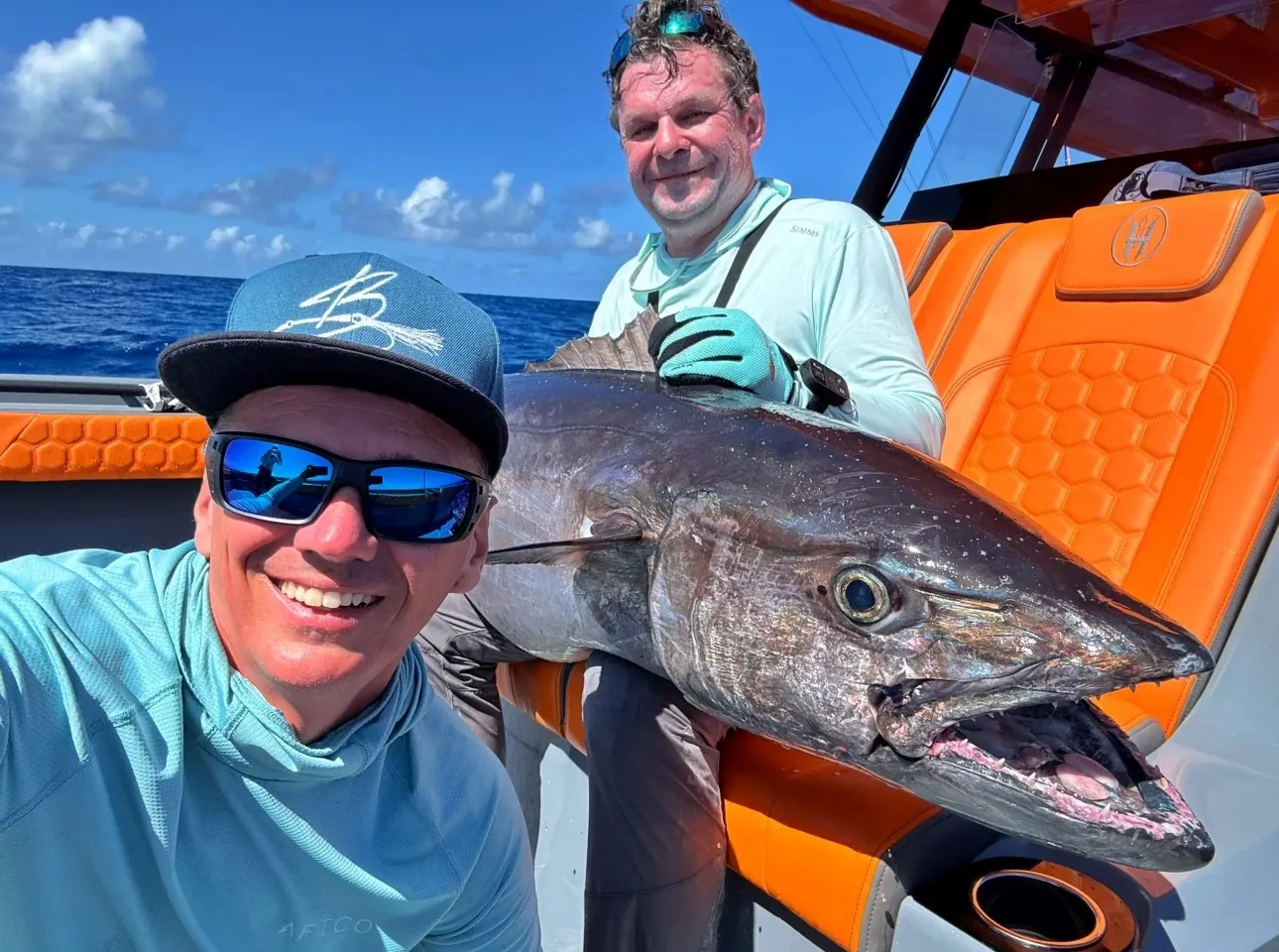
It is the sea segment that best reveals the Seychelles as an archipelago, rather than just a collection of individual beaches — and this is precisely where the Boombastic Tours team excels.
If you are looking for a quality vacation in the Seychelles with accommodation in the best locations, a personalized itinerary, and exclusive routes, the Boombastic Tours team is ready to help. We offer custom tours, sea cruises, and fishing — exactly what you need.
Get in touch with us, and we will arrange your premium vacation in the Seychelles Islands.