When Is the Best Time to Visit the Seychelles: Seasonality and What to Experience Each Month
The Seychelles is one of the few destinations you can visit almost any time of the year. There is no traditional winter here, air temperatures remain stable, the ocean stays warm, and nature is vibrant year-round. However, if you truly want to relax in Seychelles in the most comfortable way, it is important to understand seasonality, wind directions, and the specifics of individual beaches.
Let’s break it down clearly — climate, months, ocean conditions, beaches, and activities.
Climate in Seychelles: Stable All Year Round
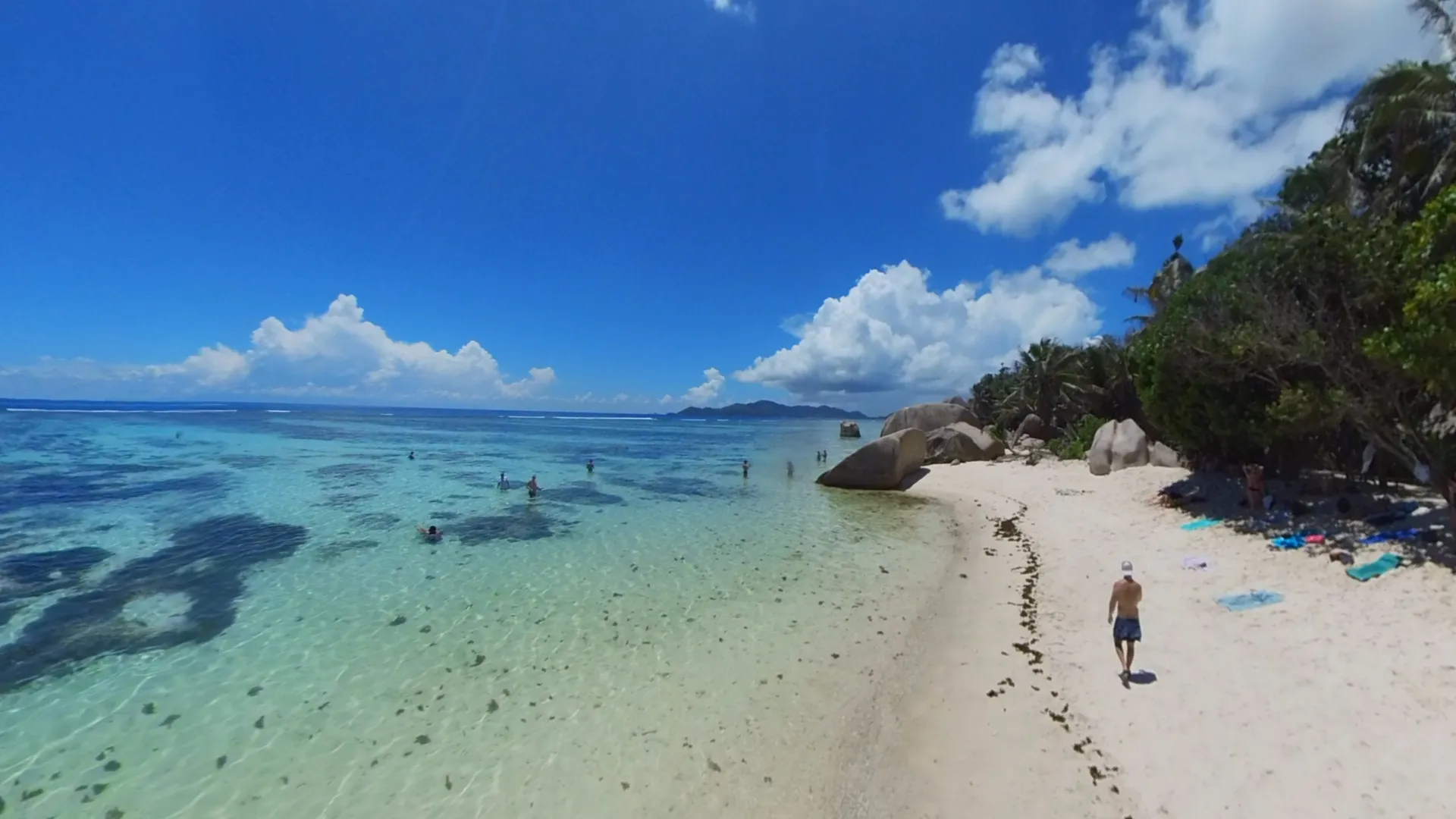
The Seychelles lies in the subequatorial climate zone. This means that sharp temperature fluctuations are extremely rare.
Main characteristics:
-
Air temperature: +28…+31°C throughout the year
-
Water temperature: +26…+29°C
-
High humidity levels
-
No pronounced winter season
The key factor influencing seasonal changes is not temperature, but the monsoon winds:
-
Northwest monsoon (November – April)
-
Southeast monsoon (May – October)
These winds determine humidity levels, wave conditions, and how comfortable specific beaches will be during different months.
November – April: Warmer and More Humid Period
This is the time of the northwest monsoon. Weather remains hot, humidity is higher, and short tropical showers are possible. Most rainfall occurs at night or early in the morning and rarely lasts all day.
December and January are considered the most humid months, yet even during this time rain does not prevent travelers from enjoying their stay.
March and April stand out as some of the most comfortable months of the year. Wind is minimal, the ocean is calm, and underwater visibility is excellent. This period is ideal for swimming, snorkeling, diving, and boat excursions.
If warm water and calm seas are your priority, this season deserves special consideration.
May – October: Drier and Windier Season
From May onward, the southeast monsoon begins to influence the islands. Rainfall decreases, humidity drops slightly, and the air feels fresher.
Main characteristics:
-
Less precipitation
-
Stronger and more noticeable winds
-
Higher waves on open southern beaches
-
Comfortable conditions for sightseeing and outdoor activities
June through August is the driest period of the year. Despite the wind, temperatures remain warm, and the breeze often makes the heat feel more pleasant.
This is an excellent time for:
-
Hiking tropical trails
-
Island excursions
-
Active outdoor experiences
-
Exploring natural landmarks
During this season, choosing the right beach becomes particularly important.
Weather by Month Overview
December – February
Hot and humid, with occasional tropical showers. Warm ocean and lush tropical landscapes.
March – May
Minimal wind, calm ocean, excellent underwater visibility. One of the best periods of the year.
June – August
Dry and breezy. Ideal for hiking and excursions. Waves may be stronger on exposed beaches.
September – November
Transitional season. Wind gradually decreases and the ocean becomes calmer again.
Ocean Temperature Throughout the Year
The Indian Ocean around Seychelles remains warm year-round.
-
March–April: up to +29°C
-
July–August: around +26°C
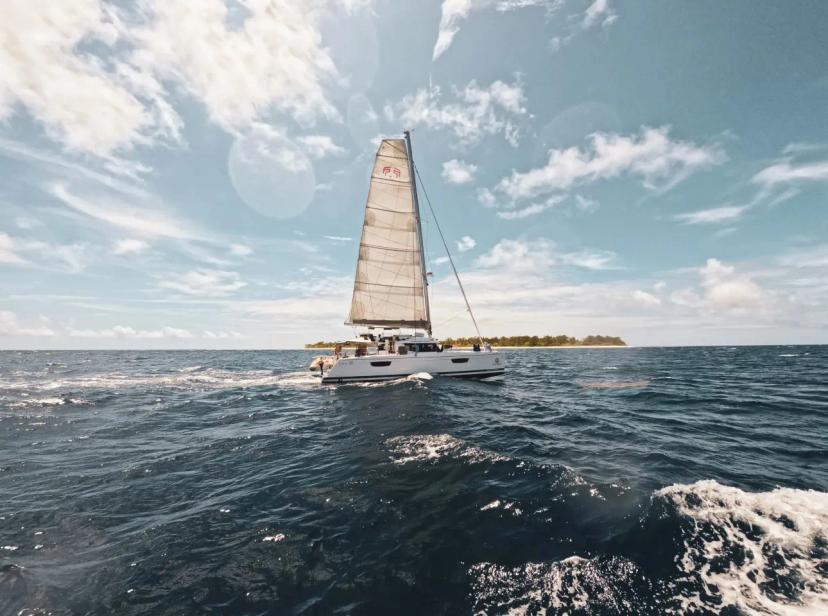
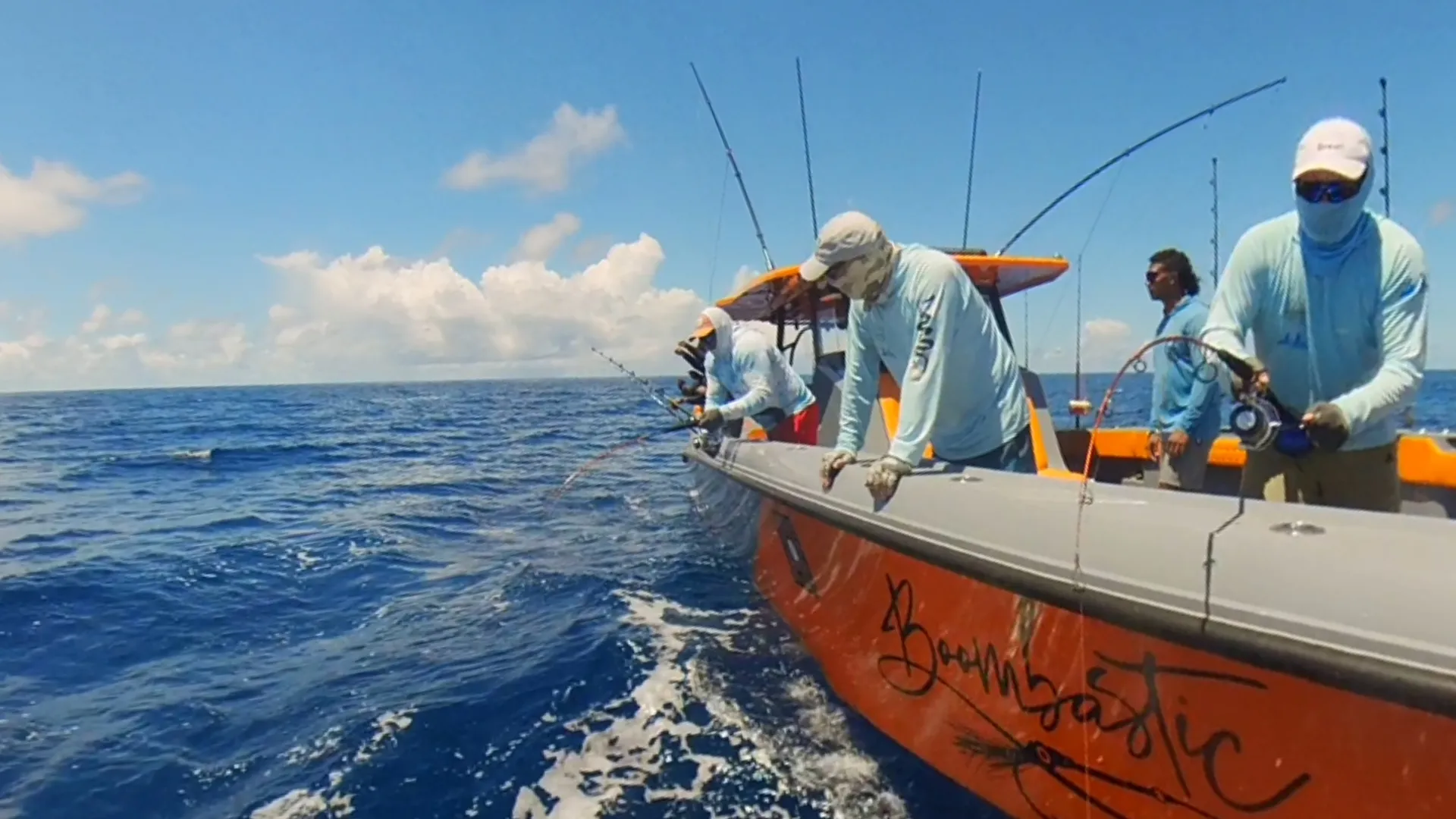
Even in the “coolest” months, the water remains comfortable for swimming and marine activities. Because of this, boating, fishing, snorkeling, and diving are possible in any season — wind conditions simply need to be taken into account.
Choosing the Right Beach Depending on the Season
Seasonality in Seychelles primarily affects ocean conditions rather than temperature.
November – April (Northwest Monsoon)
More comfortable beaches during this period include:
-
Beau Vallon
-
Anse Soleil
-
Northern and western beaches of Mahé
-
Northern Praslin
During these months, the sea is generally calmer along these coastlines.
May – October (Southeast Monsoon)
Better options include:
-
Anse Royale
-
Sheltered bays in the south and west
-
Lagoons naturally protected from wind
Important Note
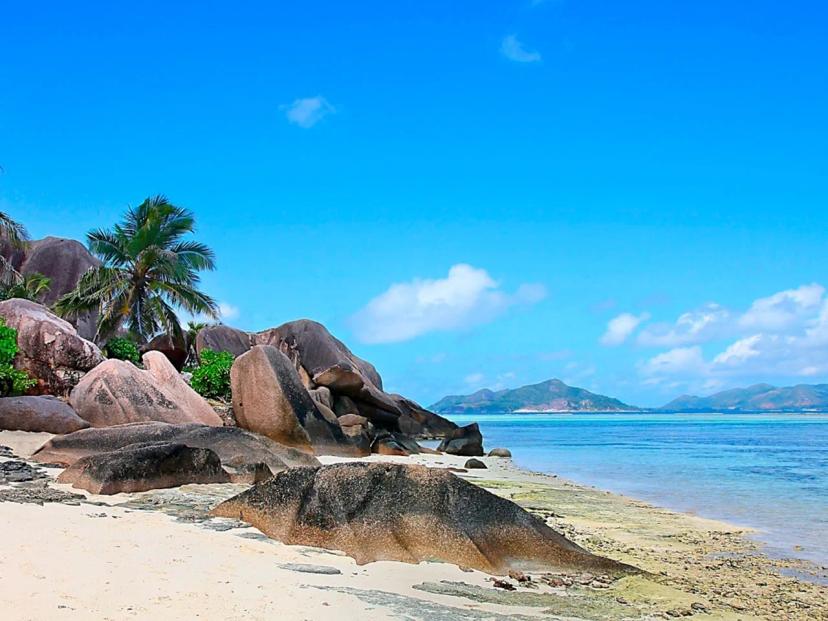
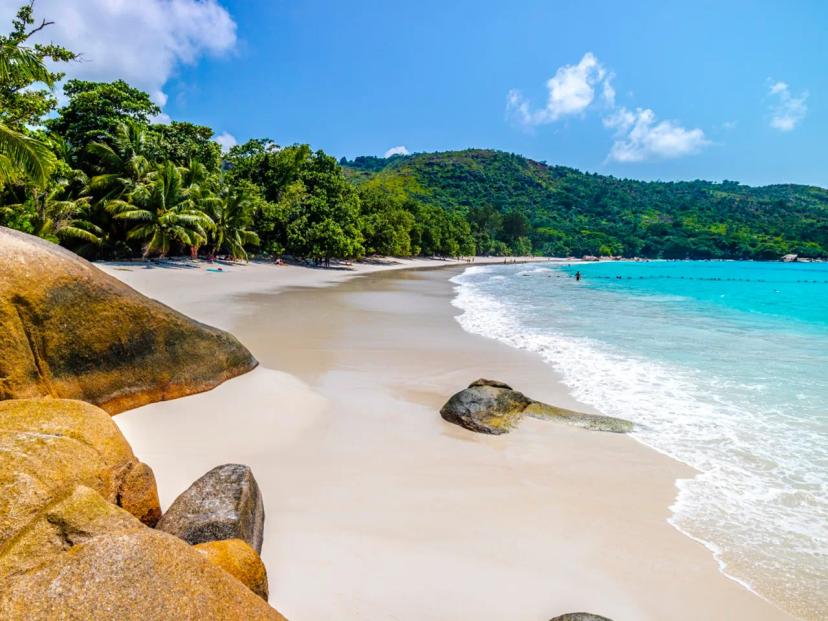
Anse Intendance is one of the most picturesque beaches on the island, but due to strong currents and waves, it is not always suitable for swimming. It is perfect for walks, photography, and enjoying the scenery, though not always ideal for calm bathing.
Marine Life and Seasonal Changes
The Seychelles is known for its rich marine biodiversity. Water temperature and clarity directly influence underwater visibility and marine activity.
Sea turtles can be observed throughout the year. Nesting season on certain islands typically occurs between October and February.
Dolphins may be spotted year-round. The best underwater visibility is usually from March to May and from October to November.
Coral reefs appear most vibrant during calm water periods — typically in spring and autumn when visibility is at its best.
Best Season for Fishing

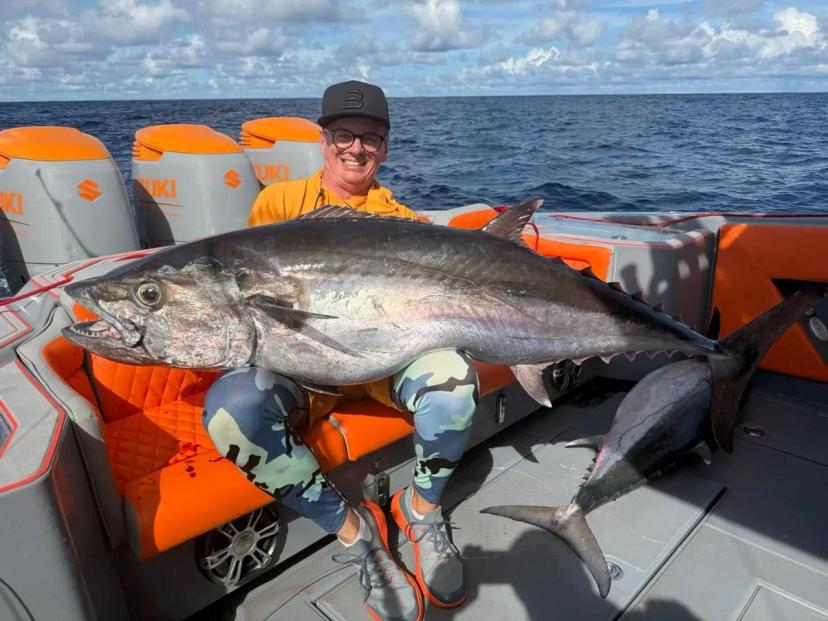
If your goal is deep-sea fishing, the optimal period is October through April. During these months, larger pelagic fish are more active and open-ocean conditions are generally more stable.
From May to September, fishing is still possible, but offshore conditions may be windier.
How Seasonality Influences Accommodation Choices
Weather does not only affect beach conditions; it also impacts where you should stay.
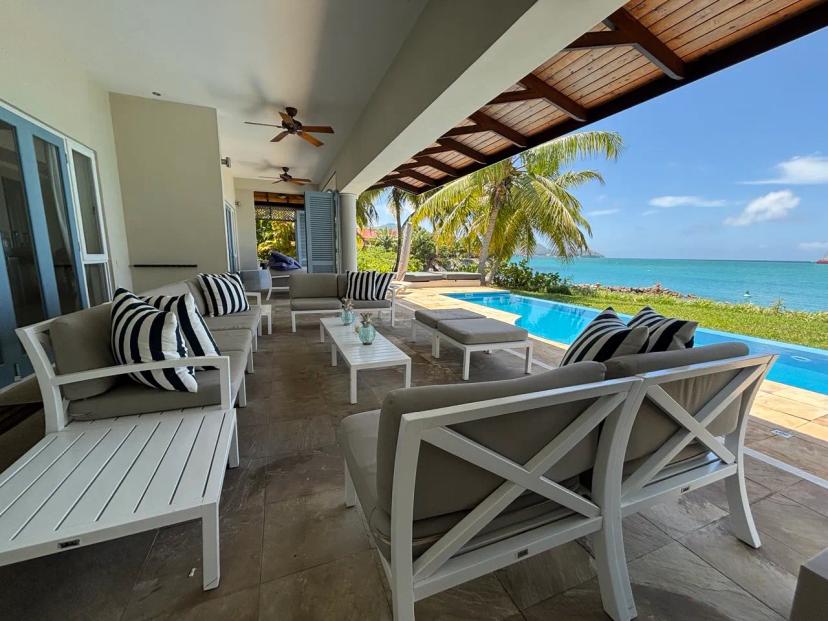
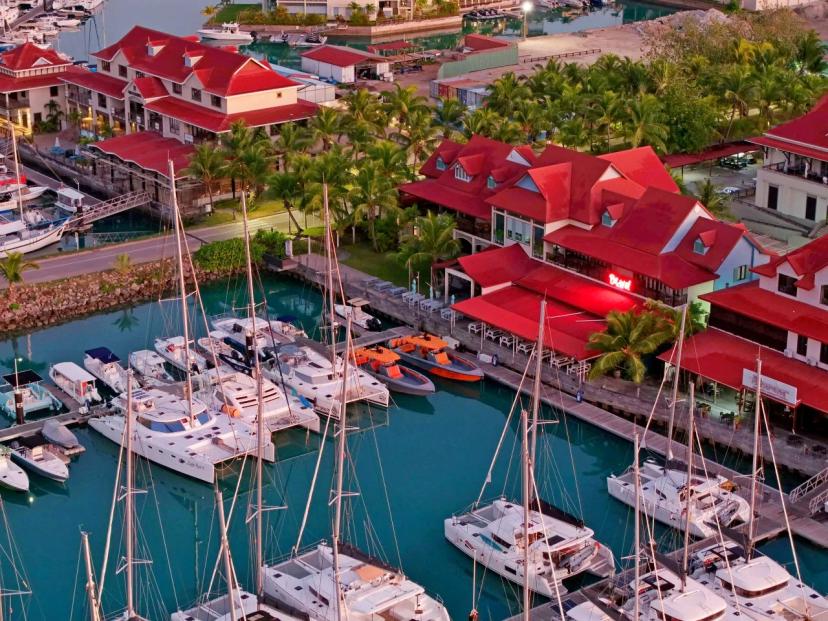
For example, villa rental in Seychelles allows you to choose your location strategically based on wind direction and logistics. During windier months, you can select a more sheltered bay, while calmer periods allow for panoramic beachfront properties in more open areas.
If you are planning an active itinerary — including fishing charters, island-hopping cruises, or marine transfers — the location of your villa significantly improves overall comfort and convenience.
To fully relax in Seychelles, it is important to consider:
-
The month of travel
-
Wind direction
-
Beach orientation
-
Your vacation format and priorities
Final Thoughts
There is no “bad season” in Seychelles. The islands remain warm and beautiful year-round. The differences lie in wind patterns, ocean conditions, and beach selection.
You can visit for calm waters and underwater exploration, for active adventures and hiking routes, or combine both experiences within one trip.
The key is choosing the right timing and location based on your travel goals. When planned properly, your stay will not only be beautiful, but genuinely comfortable and well-balanced.