When Is the Best Time to Travel to the Seychelles
The Seychelles is a year-round destination. However, to make your travel to the Seychelles truly match your expectations, it is important to understand seasonal differences — weather conditions, ocean state, winds, and tourist flow. Let’s take a closer look at when to plan your trip and where should a tourist go to enjoy the islands at their best.
Climate in the Seychelles: Key Facts
The Seychelles lies in a tropical climate zone with very stable temperatures throughout the year.
Average air temperatures range between +24°C and +32°C, while ocean temperatures remain around +26…+29°C year-round. Seasonal changes are driven not by temperature drops, but by shifts in wind direction and humidity levels.
There is no classic “rainy season” — rainfall is usually short and does not significantly disrupt travel plans.
Warm and Humid Season: December to March
This period is influenced by the northwest monsoon.
The weather is warmer and more humid, with daytime temperatures around +28…+30°C. Short tropical showers may occur, usually in the evening or at night.
Advantages:
-
very calm ocean conditions, ideal for snorkeling and diving;
-
lush green landscapes at their peak;
-
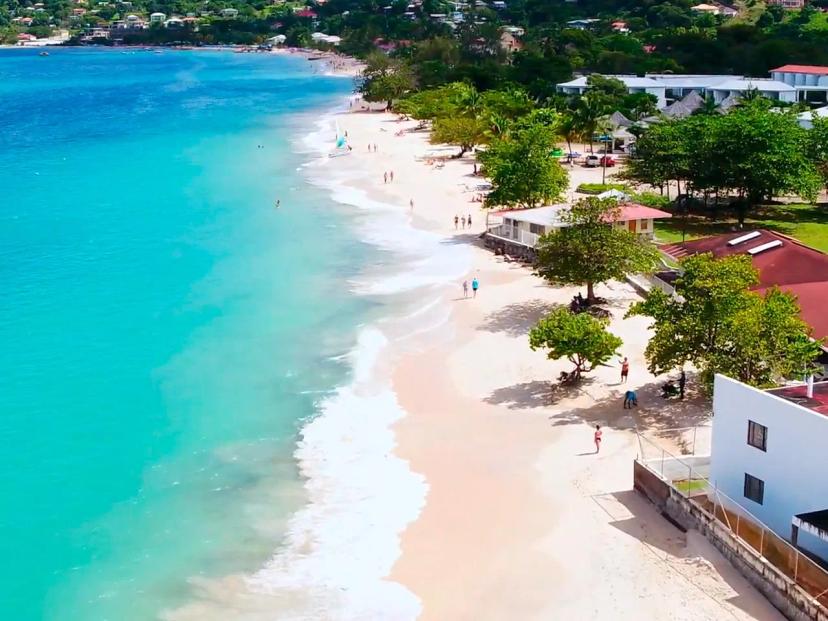
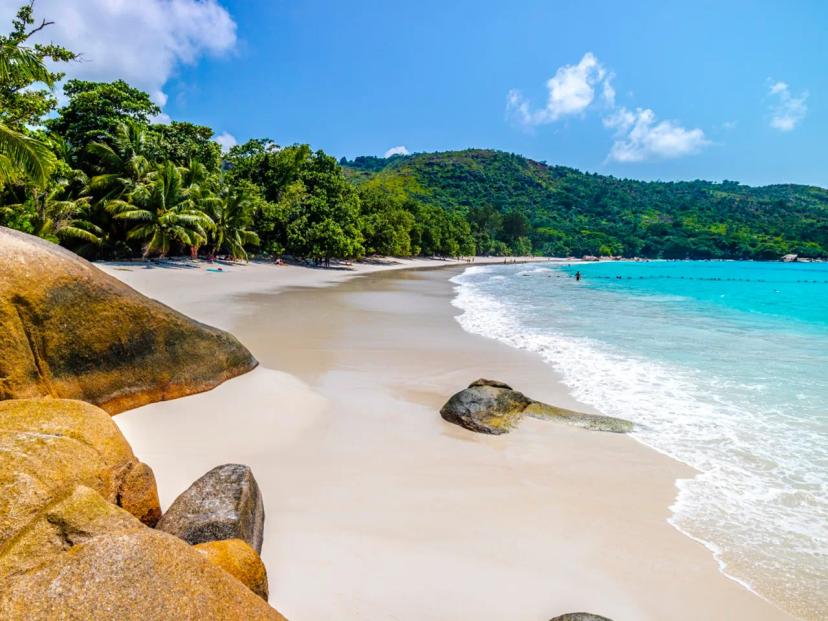
excellent conditions for relaxed beach holidays.
Disadvantages:
-
higher prices and increased tourist numbers during late December and early January;
-
higher humidity may feel uncomfortable for some travelers.
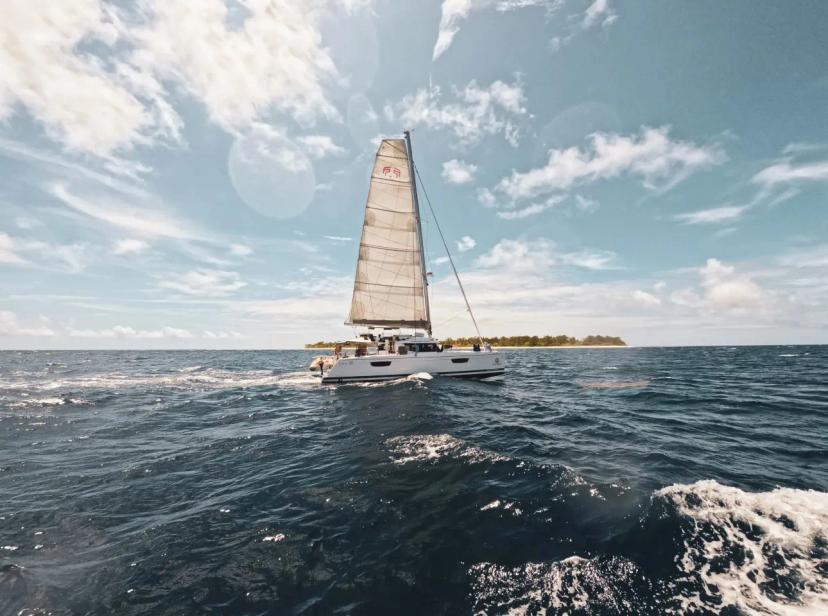
This season is well suited for beach-focused itineraries, private boat trips, and underwater activities.
Shoulder Seasons: April–May and October–November
These months are considered the most balanced time to visit.
Temperatures remain stable at +27…+30°C, winds are minimal, and the ocean is calm and exceptionally clear.
Advantages:
-
optimal conditions for diving and snorkeling;
-
fewer tourists compared to peak periods;
-
more flexible pricing on accommodation and services.
Disadvantages:
-
occasional short rain showers are possible;
-
fewer large events or festivals.
Drier and Windier Season: May to September
During this period, the southeast monsoon brings drier air and refreshing breezes.
Daytime temperatures range from +26…+29°C. Winds can create waves on open beaches, while sheltered bays remain comfortable for swimming.
Advantages:
-
cooler and more comfortable climate for outdoor activities;
-
ideal for excursions, hiking, and active travel;
-
fewer mosquitoes due to lower humidity.
Disadvantages:
-
stronger waves on some beaches;
-
July and August see increased demand due to European summer holidays.
Best Time to Visit Based on Travel Style
-
relaxed beach holidays: April–May, October–November;
-
diving and snorkeling: March–May, September–November;
-
active holidays and ocean sports: May–September;
-
festive atmosphere and peak season: December–January.
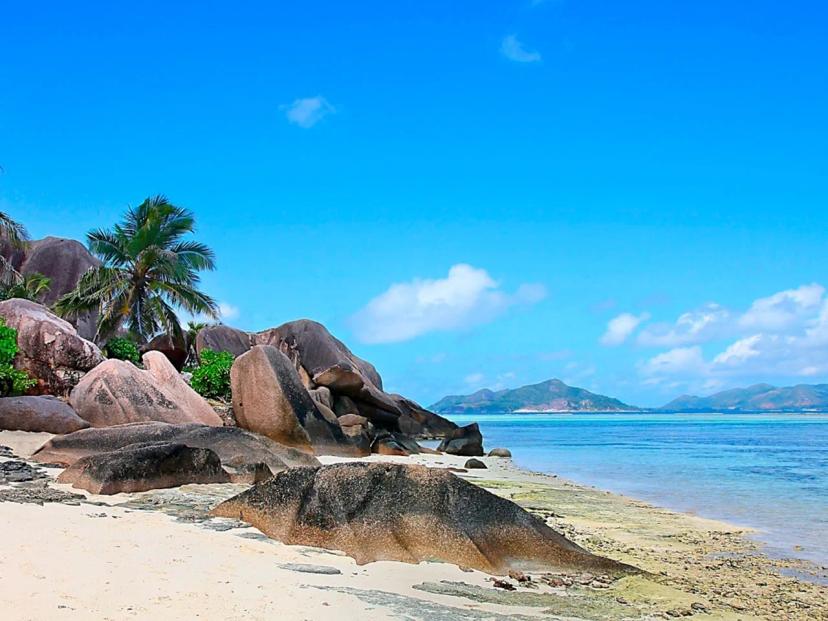
If you are still deciding where should a tourist go, the Seychelles remains one of the most versatile destinations worldwide — combining pristine beaches, rich nature, warm ocean waters, and high service standards throughout the year.