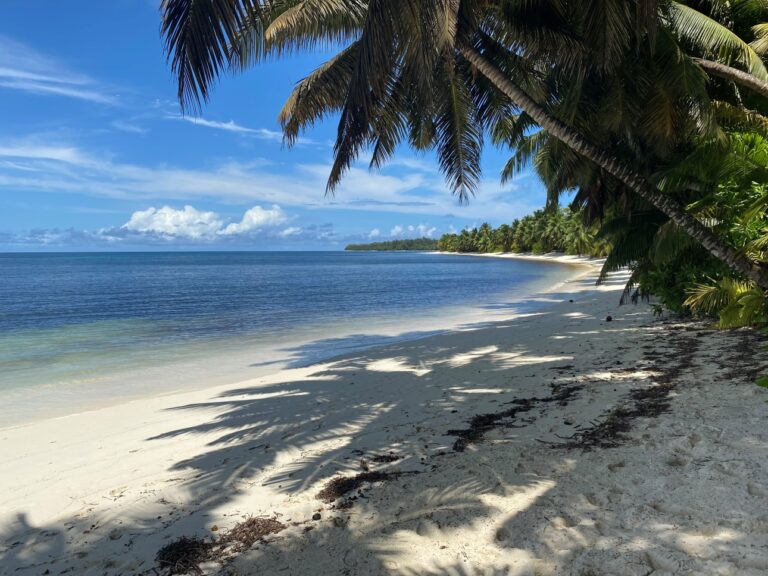


People usually think of the Seychelles for its beaches and turquoise waters. But there’s another reason to keep coming back—the Seychelles’ Creole cuisine.
Coconut milk, fresh-caught tuna, a dozen varieties of chili peppers, and the scent of nutmeg wafting through the market stalls. The local cuisine is considered a journey in its own right—one that’s worth venturing beyond the hotel buffet for at least once.
In this article, we’ll explain what makes up the archipelago’s Creole cuisine, which dishes you should try first, what to drink with them, and where to find authentic local food.
Where Did the Seychelles' Creole Cuisine Come From?
Creole cuisine emerged when people with very different eating habits lived side by side for several centuries on small islands in the middle of the ocean.
The first settlers arrived here in 1770: French colonists from Mauritius, their slaves, and a few Indians. Later, spices—nutmeg, cloves, and cinnamon—began to be brought to the islands, and they took root. Africans, who were brought mainly from Mozambique, introduced coconut milk, cassava, and bananas as staples of the daily diet. Indians added curry and spices; Chinese merchants who settled on the islands in the late 19th century brought rice and their own cooking techniques; and immigrants from Madagascar introduced traditional methods of cooking over an open fire.
This blend has resulted in something unique. The local cuisine is similar to that of Mauritius—after all, they share a common history—but it’s lighter and noticeably more “seafaring.” That said, there is no single national dish. If you ask the locals what best captures the flavor of the islands, they’ll tell you either coconut curry or grilled fish with rice and spicy chutney.
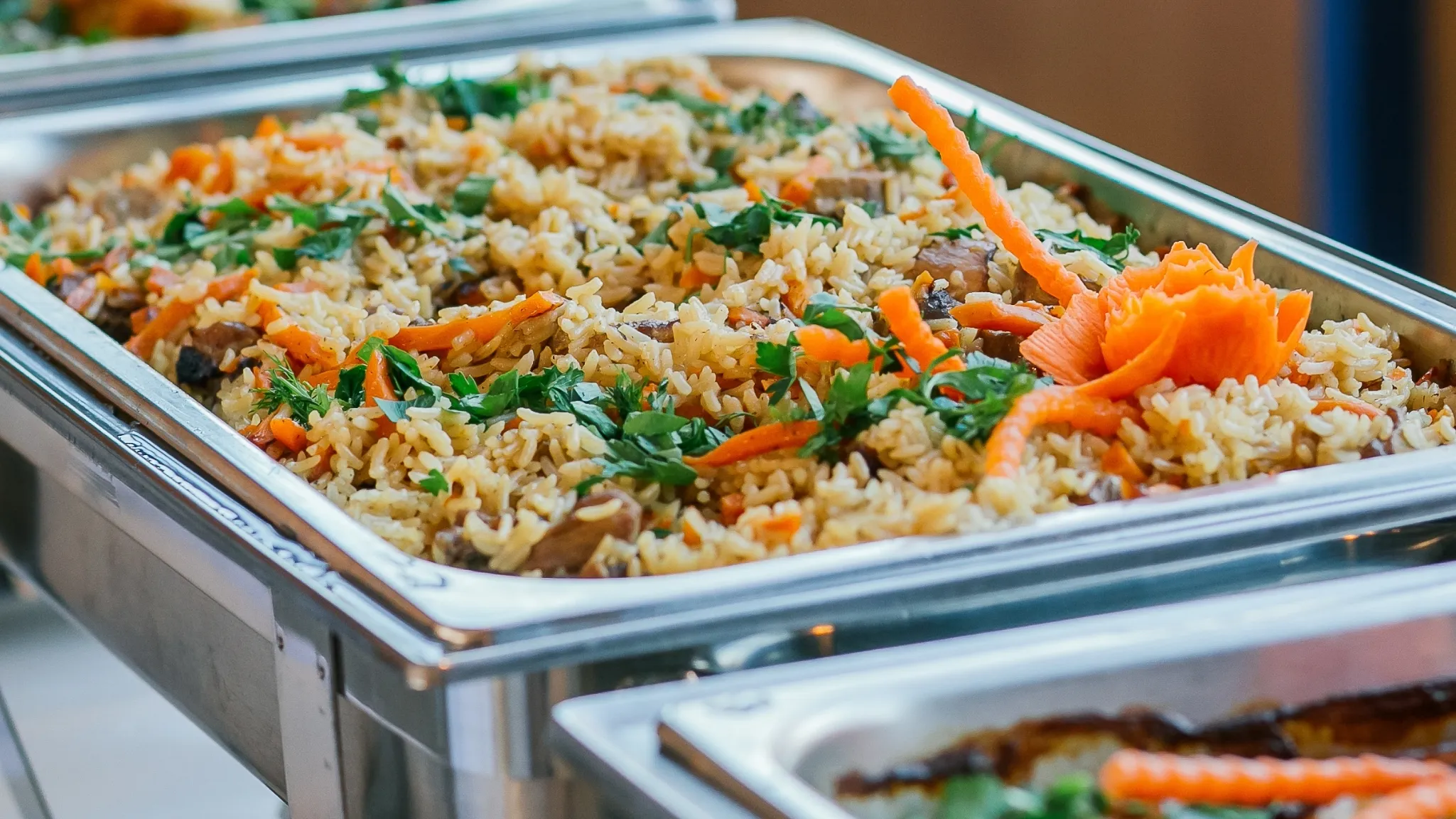
What Makes Creole Cuisine Special
The basics are simple: fresh or smoked fish, coconut in all its forms, rice, and turmeric. Instead of lemon, people here often use bilimbi, a small, sour fruit that looks like a mini cucumber. Next come cinnamon, vanilla, nutmeg, curry leaves, and ginger. And chili peppers: there are several varieties here, and each is suited for its own dishes.
Two other plants provide food for the islands almost every day. The first is the breadfruit tree, which produces a large, starchy fruit that is fried into chips, roasted over coals, and even boiled for dessert. The second is bananas, of which there are more than twenty varieties in the Seychelles. They are added to both main dishes and desserts.
Almost all of it goes straight from the garden or the boat onto your plate, so the local food tastes very fresh.

What to Try First
It’s best to start with kari koko, a coconut curry. It’s most often made with octopus: first, the octopus is boiled, then simmered in coconut milk with eggplant, garlic, ginger, curry leaves, and cinnamon. Every family has its own recipe, so you won’t find two kari koko dishes that are exactly alike. Octopus is called zourit in Creole, and people here really love it: you can find it both in restaurants and at street stalls.
Be sure to order the grilled fish: red snapper or tuna with chili, garlic, and ginger—nothing extra. The fish here is so fresh that it doesn’t need anything else.
For dessert, try ladob. It’s made with ripe bananas or sweet potatoes simmered in coconut milk with vanilla, nutmeg, and sugar until it becomes a warm, sweet porridge. There’s also a savory version of ladob, made with fish instead of bananas, which is eaten as a main course.
If you like trying new things, you should order shark chutney. It consists of boiled and finely chopped shark meat mixed with bilimbi and lime juice, onions, and turmeric. It’s eaten with rice, and anyone who’s tried it once usually comes back for more. Another option is the breadfruit, baked whole over coals, right in its skin. The charred crust is then broken open to reveal soft, fragrant flesh inside.
There’s almost always a bowl of satini—grated green papaya with chili peppers and onions—on the side. It’s a spicy, fresh appetizer that balances out rich curries nicely.
What do they drink with all this?
The main local drink is Takamaka rum. It is the only rum distillery on the islands. It has been in operation since 2002 at the historic La Plaine St. André plantation, which dates back to the 18th century.
People come here for tours. On weekdays, the distillery is open from 10:30 a.m. to 4:30 p.m., and on Saturdays, according to the latest information, tours are held at 11:00 a.m. and 3:00 p.m. A tasting of six rums costs about 125–150 rupees (around €8–9). On the grounds, there’s a museum, a medicinal herb garden, the ruins of old buildings, and two giant Aldabra tortoises named Taka and Maka. On Fridays, the distillery stays open until 10:00 p.m.: the rum bar is open, music is playing, and meat and seafood are being grilled. This is a great option for an evening out if you’re staying on Mahé.
For everyday drinking—SeyBrew beer. The first lager under this name was brewed in September 1972, and since then it has been served everywhere, from beach bars to restaurants.
If you’re looking for something truly local, try kalou—a palm wine made from coconut juice that ferments on its own—and bacca, a strong drink made from sugarcane.

What to Try in the Seychelles If You Don't Like Spicy Food
It’s worth reassuring those who are afraid of getting a spicy burn: Creole cuisine is spicy, but only moderately so. It doesn’t have the same searing heat found in Thai or Indian food. Plus, chili is usually served on the side in a small bowl next to the rice, and you can always leave it untouched.
And vegetarians are in for a real treat here: lentil dhal, chutney, vegetable curries made with coconut milk, roasted breadfruit, and palm heart salad—all of these are common staples on the local table. If you let the guesthouse owners know in advance, they’ll be happy to prepare a completely vegetarian Creole meal for you.
Where to Find Local Food in the Seychelles
The Market in Victoria. The capital’s main market, the Sir Selwyn Selwyn-Clarke Market, is closed for renovations. But business has not stopped: vendors selling fish, fruit, and spices have temporarily moved into the former STC supermarket building in downtown Victoria. The market building itself was built back in 1840 and is set to reopen after the renovation. It’s a great place to check out the morning catch and pick up some spices to take home.
Labrin Bazaar. On Wednesdays, starting at 4:00 p.m., a street market pops up on Beau Vallon Beach, featuring octopus curry, breadfruit chips, and fresh juices. Another date to note is the last Saturday of the month. In recent years, the market has become noticeably smaller, but it’s still worth stopping by for dinner at sunset with a view of the ocean.
Marie-Antoinette. When people talk about restaurants, this one is almost always the first to be mentioned. It is the oldest restaurant in the Seychelles; it has been in business since 1972 and is still owned by the same family. It’s located in a colonial mansion overlooking Victoria, which was designated a national monument in 2011. You don’t get to choose your dishes here: they serve a set menu of Creole classics—battered parrotfish, tuna steak, eggplant fritters, chicken curry, rice, and chutney. The set costs about 450 rupees (approximately €28).
Trays and guesthouses. The most authentic experience often comes not from restaurants, but from small takeout stalls and family-run guesthouses, where the food is prepared just like at home. You can find places like this not only on Mahé, but also on Praslin and La Digue. Recipes vary slightly from island to island, and every family has its own version of curry coconut.
It’s easy to arrange travel between the islands to sample the local cuisine in all its different forms.

When the Kitchen Becomes a Celebration
Once a year, food takes center stage here. The Creole Festival has been held since 1985. The Seychelles became the first country in the world to establish a festival celebrating Creole culture, and other Creole-speaking regions later adopted the idea. It takes place in October across several islands and lasts for more than one day: in 2025, the 40th anniversary festival stretched out over nearly three weeks.
Creole cuisine is the heart of the Seychelles. The streets of Victoria are lined with Bazar Kreol stalls offering fresh grilled fish, curries, and tropical sweets. In the afternoon, people gather for Tifin Kreol—an afternoon tea in the Creole style—and the day culminates in a nighttime Bal Bobes with dancing until dawn and soup served at midnight.
From Catch to Plate—How It Works at Boombastic Tours

Almost all Creole cuisine begins at sea, and that is its main appeal: the fish you catch yourself while out fishing can be turned into dinner that very same evening.
Our chef will prepare a Creole feast right at the villa: with curry coconut made from your catch, ladobe, and all the trimmings. Or we can take it out on the water: a barbecue cruise to a secluded island, where the fish is grilled over charcoal right at the water’s edge. This is probably the most authentic way to get a taste of these islands.
Creole cuisine is a prime example of how local food tells you more about a place than any travel guide ever could: about the ocean that surrounds it, about the markets, and about the people who cook just as their grandmothers did.
It’s worth trying it not just in passing, but thoughtfully—from the market, from a stall on Bo-Vallon, or at an al fresco dinner.
The Boombastic Tours team will put together a special culinary itinerary for you—featuring markets, tastings, and a dinner of freshly caught seafood. Contact us, and we’ll show you a side of the Seychelles you won’t find on any hotel menu.